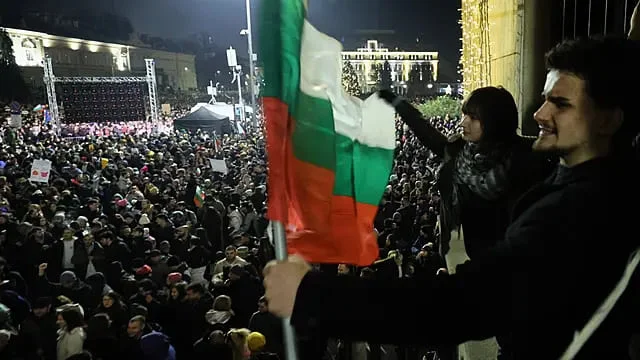
A wave of demonstrations continues to sweep through Bulgaria’s capital and major cities. Although the cabinet formally resigned on December 12, citizens remain mobilized. This persistence signals that the government’s departure was only the first step in a larger push for systemic reform.
Core Demands of the Protest Movement
Deep-seated frustrations over national governance fuel the current unrest. Consequently, protesters have articulated several non-negotiable demands:
- Judicial Independence: A call for a court system free from political interference.
- Anti-Corruption Measures: An end to the “state capture” by private interests.
- Fiscal Accountability: A rejection of a controversial budget that included high tax increases.
- Systemic Change: A move away from oligarchic influence and vote-buying.
The Eurozone Dilemma
The timing of this political vacuum is critical. Bulgaria plans to officially adopt the euro in January. However, this transition now faces significant hurdles:
- Administrative Stalls: Without a regular government, the final steps for eurozone entry have stopped.
- Budgetary Uncertainty: The lack of a finalized budget for next year creates a risky financial environment.
- The Governance Gap: President Radev must now appoint a caretaker administration. This team will manage state affairs until officials can organize a snap election.
“Many citizens are exhausted with a system they believe serves a narrow circle of oligarchs. The prevailing sentiment is a desire for a government that prioritizes the public good.”
What Happens Next?
With the cabinet gone, the focus shifts to the presidency. Appointing a caretaker team is the next logical step to maintain basic state functions.
However, the tension remains high. Until a snap election provides a clear mandate, the clash between the public’s demand for change and the state’s need for stability will likely continue.
READ MORE: Blair and Dimon Warn: Europe Must Reform or Risk Irrelevance












 Armenian Dram
 Ghana Cedi
 Gambian Dalasi
 Guinea Franc
 Nigerian Naira
 CFA Franc BEAC