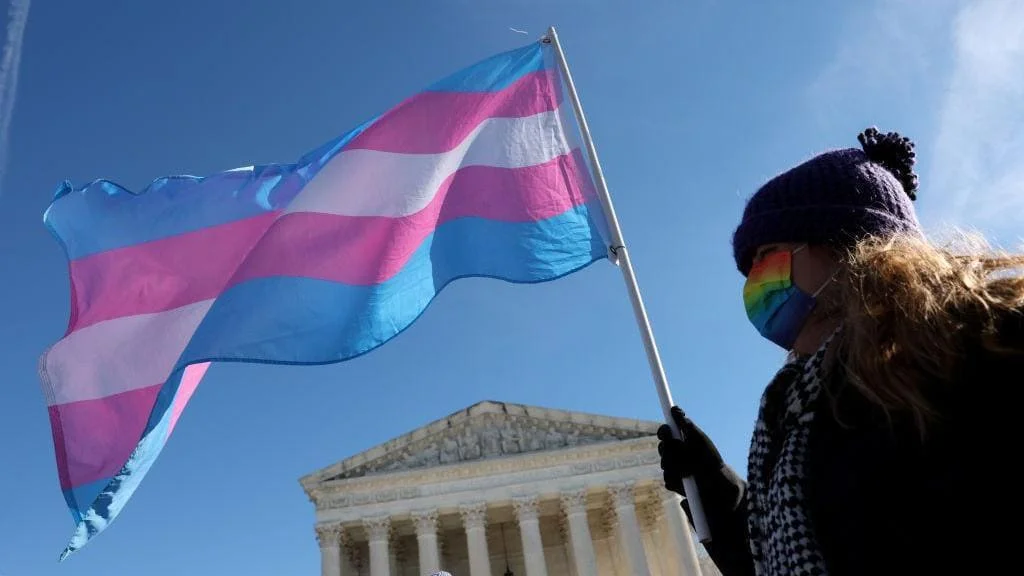
The U.S. Supreme Court officially began hearing oral arguments today in a case that could redefine civil rights for transgender Americans. The conservative-majority court is reviewing bans from Idaho and West Virginia that prohibit transgender girls and women from participating in female sports at public schools and universities.
The Core of the Dispute
The legal battle centers on two conflicting interpretations of the law:
- The States’ Argument: Officials in Idaho and West Virginia contend that “biological sex” provides an inherent physical advantage, and bans are necessary to ensure fairness for female athletes.
- The Challengers’ Argument: Transgender students, backed by the ACLU, argue that these laws violate Title IX and the 14th Amendment, effectively excluding them from public life.
National Implications
Since 27 states have enacted similar legislation, the Court’s ruling will have an immediate nationwide impact. Legal experts suggest the verdict may ripple beyond the locker room, potentially affecting policies on restroom usage, healthcare access, and workplace protections for the transgender community.
With the Trump administration actively supporting the bans, this case stands as a critical test of how the nation’s highest court will balance gender identity protections against state-level definitions of biological sex.











 Armenian Dram
 Ghana Cedi
 Gambian Dalasi
 Guinea Franc
 Nigerian Naira
 CFA Franc BEAC