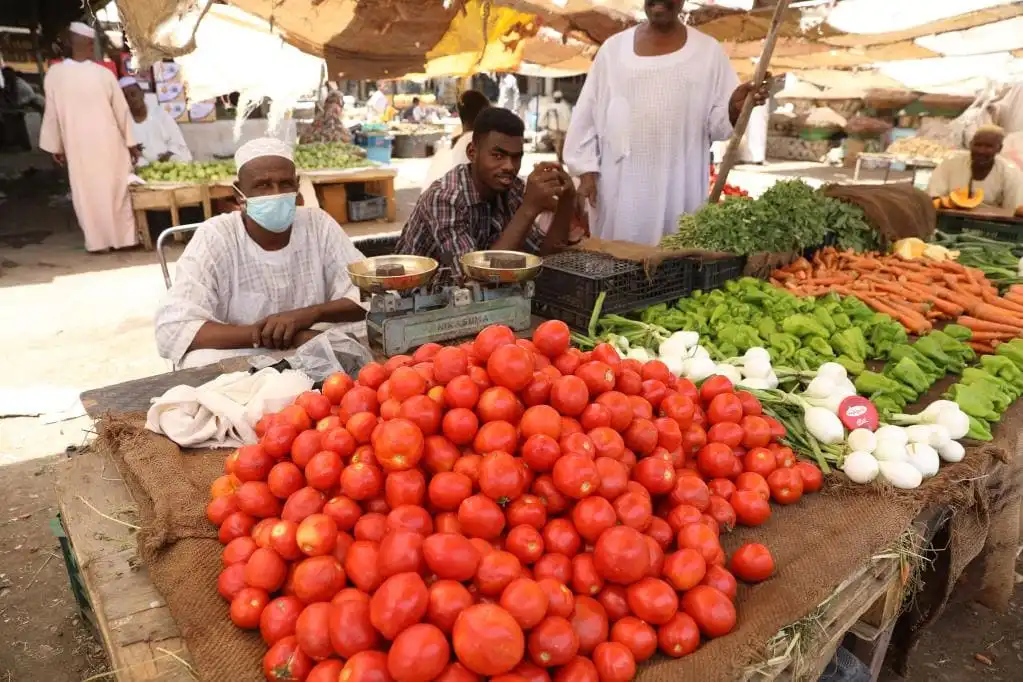
Commercial activity is gradually returning to the central market in downtown Khartoum following the Sudanese army’s successful re-establishment of control over the capital. The city center became a primary battlefield in April 2023 when conflict erupted between the national army and the paramilitary Rapid Support Forces (RSF).
After a concentrated military offensive in March 2024, the RSF were dislodged from the area. This has allowed for a cautious resumption of daily trade as residents begin to reclaim their livelihoods.
The Challenge of Logistical Barriers
Despite the improved security within the market itself, vendors report that reaching pre-conflict profit levels remains difficult. The primary obstacle is the high cost of essential goods, which is driven by significant logistical hurdles.
According to local trader Hashim Mohamed, several key factors are currently inflating prices:
-
Supply Chain Disruptions: Moving produce from rural farms to city stalls requires navigating hazardous and unpredictable routes.
-
Security Risks: Persistent insecurity on the roads leading into the capital continues to put goods and personnel at risk.
-
Transportation Fees: Rising fuel prices and high transit costs are being passed directly to the consumer.
“If transportation fees were reduced and security on the roads increased, prices would decrease,” Mohamed noted. His observations highlight the fragile link between logistics and local food security.
Economic Instability and Currency Devaluation
While Khartoum has moved away from the immediate threat of mass starvation, the broader economy remains in a state of collapse. Business owners are currently struggling with a severe lack of financial liquidity and a shortage of available labor.
The most visible indicator of this economic distress is the collapse of the Sudanese Pound. Before the conflict broke out in early 2023, the currency traded at 570 pounds to the US dollar. By January 2026, that rate has plummeted to 3,500 pounds per dollar.
Vendor Adam Hammad observed that while the current market environment is superior to the period of RSF occupation, it remains a shadow of its former self. He noted that the market is missing the resources and financial flow necessary to thrive.
The Human Cost of the Conflict
The ongoing struggle for power in Sudan has resulted in tens of thousands of casualties and the displacement of millions. International observers, including the United Nations, continue to characterize this as the world’s most severe humanitarian crisis.
As Khartoum seeks to rebuild its commercial heart, success will depend heavily on stabilizing the national currency. Furthermore, securing the trade routes that feed the capital’s population remains a critical priority for long-term recovery.


 Armenian Dram
 Ghana Cedi
 Gambian Dalasi
 Guinea Franc
 Nigerian Naira
 CFA Franc BEAC