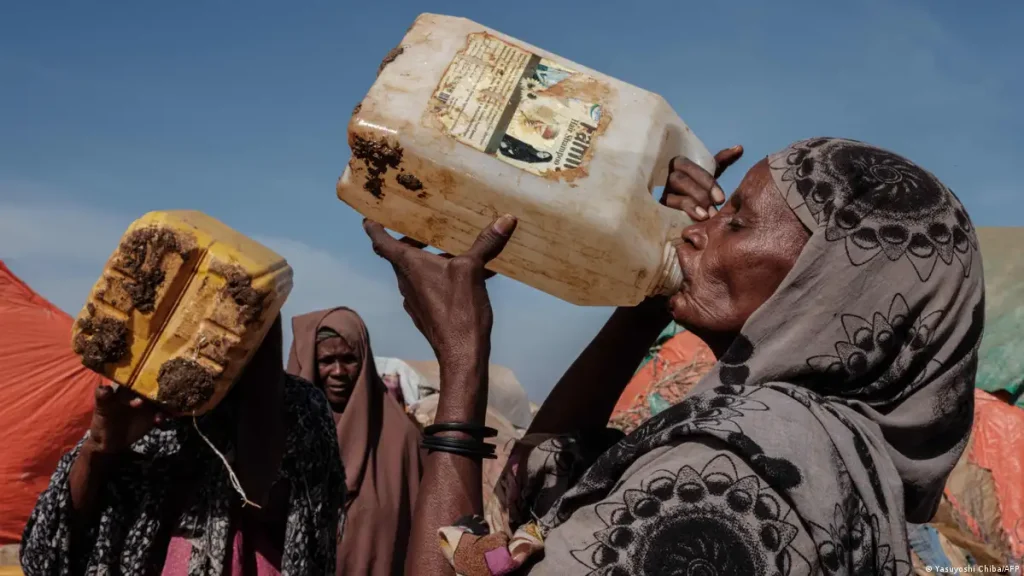
The humanitarian situation in Somalia has taken a sharp turn for the worse, with the number of people facing crisis-level hunger nearly doubling to 6.5 million in the past year, according to UN-backed analysts.
The alarming figures were released by the Integrated Food Security Phase Classification Initiative (IPC), which tracks global hunger and malnutrition trends. The report shows a rapid deterioration in food security conditions between early 2025 and February–March 2026.
Millions on the brink
The IPC revealed that more than two million people are now in Phase 4 — classified as “emergency” levels of hunger — just one step away from famine conditions.
Children remain among the most vulnerable. An estimated 1.84 million children under the age of five are at risk of acute malnutrition this year, including 483,000 severe cases requiring urgent medical intervention.
Drought, conflict, and funding cuts worsen crisis
Experts attribute the worsening crisis to a combination of prolonged drought, rising food prices, and persistent insecurity across central, southern, and parts of northern Somalia.
Two consecutive failed rainy seasons have devastated agricultural output, while ongoing conflict continues to disrupt livelihoods and access to food.
The situation has been further compounded by a sharp decline in humanitarian aid.
Aid cuts raise urgent concerns
The World Food Programme (WFP) has warned it may be forced to halt operations in Somalia by April if new funding is not secured.
The agency has already reduced the number of people receiving emergency food assistance from 2.2 million in early 2025 to just over 600,000, reflecting the severity of funding shortfalls.
Although the United States resumed food distribution support in January after a temporary suspension linked to security concerns in Mogadishu, broader aid reductions following policy shifts have left humanitarian agencies struggling to meet growing






 Armenian Dram
 Ghana Cedi
 Gambian Dalasi
 Guinea Franc
 Nigerian Naira
 CFA Franc BEAC