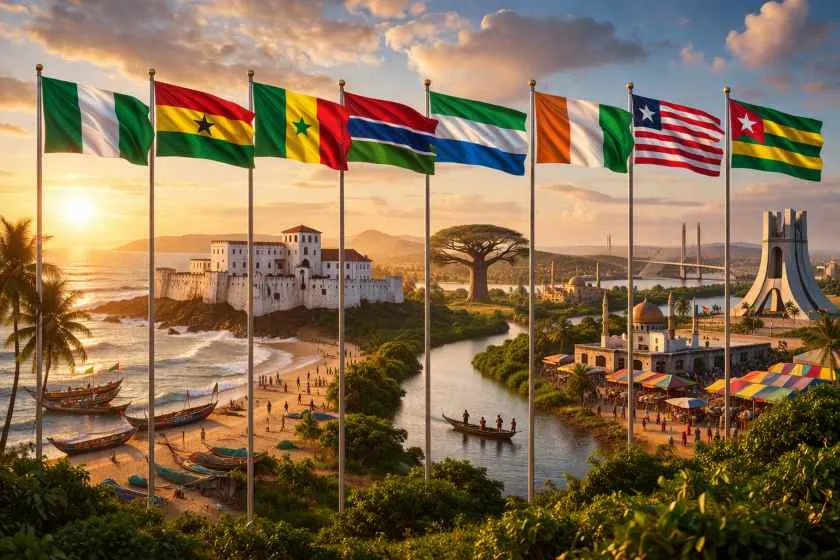
As political instability, coups, and security challenges continue to unsettle parts of West Africa, Ghana is increasingly being recognised as a beacon of stability, underpinned by strong democratic institutions, steady economic recovery, and proactive regional diplomacy.
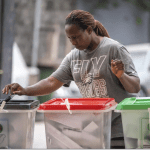
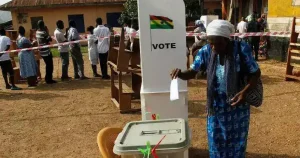
While countries such as Burkina Faso, Mali, and Guinea have faced recent coups and political disruptions, Ghana has maintained a track record of peaceful power transitions and credible elections. The 2024 general elections, in particular, were widely praised by international observers for their transparency despite economic pressures.
Strong Democratic Foundations
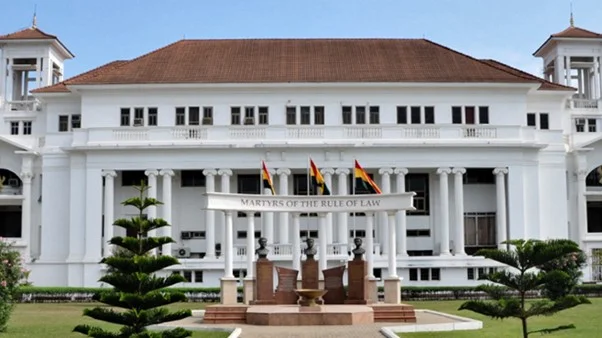
Ghana’s political stability is deeply rooted in its post-independence history, shaped by the vision of its first president, Kwame Nkrumah. Since gaining independence in 1957, the country has steadily built resilient institutions that uphold the rule of law and democratic governance.
Today, a well-structured political system allows for peaceful alternation of power between major parties such as the New Patriotic Party and the National Democratic Congress, helping to manage political competition within established constitutional frameworks.
Global assessments from institutions like the National Democratic Institute and the Varieties of Democracy Institute consistently rank Ghana among Africa’s most stable democracies, citing high voter participation and adherence to electoral processes.
Civil Liberties and Active Society
Ghana also stands out for its protection of civil liberties. Ratings from Freedom House place the country among those where fundamental freedoms are largely preserved.
A vibrant media landscape, active civil society, and open public discourse continue to reinforce social cohesion and accountability—key pillars sustaining long-term stability.
Regional Leadership and Diplomacy
On the regional stage, Ghana plays a significant diplomatic role as a founding member of the Economic Community of West African States. The country has consistently advocated for peaceful conflict resolution and balanced responses to crises, particularly in the Sahel.
Its continental influence is further cemented by hosting the headquarters of the African Continental Free Trade Area Secretariat in Accra, positioning Ghana at the centre of Africa’s economic integration agenda.
Economic Stability Attracting Investment
Ghana’s relatively stable political environment has boosted investor confidence and strengthened its appeal as a regional business hub. Ongoing efforts to modernise infrastructure, deepen digital and trade ecosystems, and stabilise the macroeconomic environment are contributing to its recovery trajectory.
Challenges Remain
Despite its progress, Ghana still faces significant challenges, including youth unemployment, poverty reduction, infrastructure gaps, and the need to tackle corruption. Sustaining growth will depend on economic diversification and deeper integration into regional and global value chains.
A Model in a Changing Region
In a region grappling with uncertainty, Ghana’s stability is not accidental but the result of deliberate political and institutional choices. Its commitment to democratic governance, civil freedoms, and regional cooperation continues to set it apart—making it a key anchor of stability and opportunity in West Africa.



 Armenian Dram
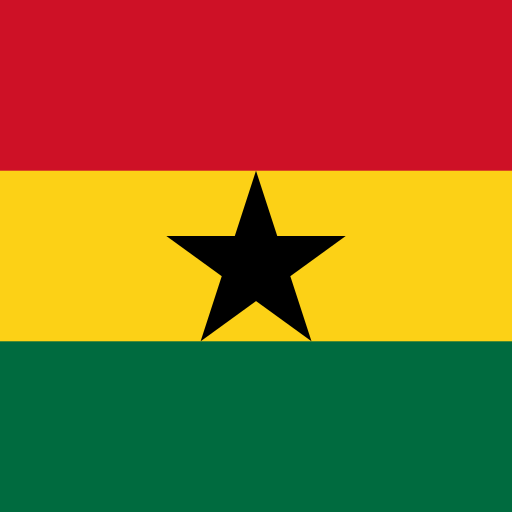 Ghana Cedi
 Gambian Dalasi
 Guinea Franc
 Nigerian Naira
 CFA Franc BEAC