Agriculture has long been the backbone of Nigeria’s economy, employing a significant portion of the country’s workforce. However, the sector has been plagued by low productivity, limited access to markets, and vulnerability to climate change. In recent years, a new crop of agritech startups has emerged, leveraging technology to address these challenges and usher in a digital agricultural revolution in Nigeria.
These agritech innovations are transforming various aspects of the agricultural value chain, from crop cultivation to market access. One of the pioneering companies in this space is Farmcrowdy, Nigeria’s first digital agriculture platform. Farmcrowdy connects small-scale farmers with investors, providing them with improved seeds, farm inputs, training on modern farming techniques, and access to markets. This model not only boosts agricultural productivity but also provides urban dwellers with an opportunity to invest in agriculture, bridging the gap between rural farmers and urban capital.
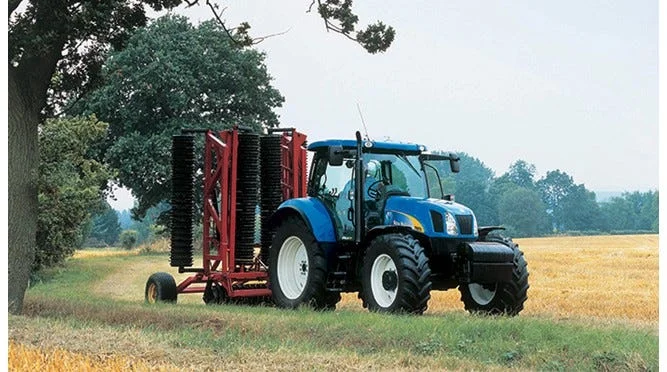
Another significant player in the Nigerian agritech scene is Hello Tractor, often described as the “Uber for tractors.” This platform allows farmers to request and pay for tractor services via a mobile app, addressing the critical issue of mechanization in Nigerian agriculture. By increasing access to tractors, Hello Tractor is helping farmers cultivate larger areas of land more efficiently, significantly boosting crop yields.
In the area of crop management, companies like Zenvus are making waves. Zenvus uses sensors, artificial intelligence, and data analytics to help farmers make informed decisions about their crops. The company’s soil sensors collect data on soil quality, temperature, and moisture levels, which is then analyzed to provide farmers with insights on optimal planting times, fertilizer needs, and irrigation schedules. This precision agriculture approach is helping farmers maximize yields while minimizing resource use.
Market access has been a perennial challenge for Nigerian farmers, with many struggling to find buyers for their produce or falling victim to exploitative middlemen. Agritech startups are addressing this issue head-on. Foodlocker, for instance, is an online marketplace that connects farmers directly with food processors and retailers. By cutting out intermediaries, Foodlocker ensures that farmers get fair prices for their produce while providing buyers with a reliable source of quality agricultural products.
The impact of these agritech innovations extends beyond just improving agricultural productivity. They’re also driving financial inclusion in rural areas. Many small-scale farmers in Nigeria lack access to formal financial services, making it difficult for them to invest in their farms or manage risk. Agritech platforms are changing this by integrating financial services into their offerings. For example, Thrive Agric provides farmers with inputs on credit and offers crop insurance, helping to de-risk agriculture and make it more attractive to both farmers and investors.
Climate change poses a significant threat to Nigerian agriculture, with changing weather patterns and increased frequency of extreme weather events. Agritech is playing a crucial role in building resilience against these challenges. Companies like Kitovu are using satellite imagery and machine learning to provide farmers with localized weather forecasts and climate-smart agricultural advice. This helps farmers adapt their practices to changing climatic conditions, ensuring more stable yields even in the face of environmental challenges.
However, the growth of agritech in Nigeria is not without challenges. Limited internet connectivity in rural areas, low digital literacy among many farmers, and the high cost of technology adoption are significant hurdles. To address these, many agritech companies are developing offline solutions and partnering with agricultural extension workers to reach farmers who may not be tech-savvy.
Regulatory uncertainty is another challenge facing the sector. As these new models of agricultural business emerge, there’s a need for supportive policies that encourage innovation while protecting the interests of small-scale farmers. The Nigerian government has shown interest in supporting agritech, with initiatives like the National Adopted Village for Smart Agriculture (NAVSA) aimed at promoting the use of technology in agriculture. However, more comprehensive policies are needed to create an enabling environment for agritech to thrive.
Despite these challenges, the future of agritech in Nigeria looks promising. The sector is attracting significant investment, with Nigerian agritech startups raising millions of dollars in funding in recent years. This influx of capital is driving further innovation and enabling these companies to scale their operations.
Looking ahead, emerging technologies like blockchain and Internet of Things (IoT) hold great potential for further transforming Nigerian agriculture. Blockchain could be used to create transparent and traceable agricultural supply chains, while IoT devices could enable more sophisticated precision agriculture practices.
The agritech revolution in Nigeria is more than just a technological upgrade of the agricultural sector; it’s a comprehensive transformation of the entire agricultural ecosystem. By leveraging technology to address long-standing challenges in Nigerian agriculture, these agritech startups are not just building successful businesses; they’re contributing to food security, rural development, and economic growth.
As Nigeria continues to grapple with the challenge of feeding its growing population and diversifying its economy away from oil dependence, the agritech sector stands as a beacon of innovation and progress. It demonstrates that with the right mix of technological innovation, entrepreneurial spirit, and supportive policies, agriculture can once again become a major driver of economic growth and development in Nigeria. The digital agricultural revolution is rewriting the story of Nigerian agriculture, promising a future where farming is more productive, profitable, and resilient.











 Armenian Dram
 Ghana Cedi
 Gambian Dalasi
 Guinea Franc
 Nigerian Naira
 CFA Franc BEAC