The African Union (AU) and the Economic Community of West African States (ECOWAS) have issued a strong condemnation following the sudden military takeover in Guinea-Bissau.
In a joint statement released on Wednesday, the election observer missions expressed deep alarm over the detention of incumbent President Umaro Sissoco Embaló and several of his aides. The coup occurred just hours after international observers had engaged with the nation’s political leadership.
A Broken Promise of Peace
The timing of the military intervention has drawn sharp criticism. The observer missions noted that the takeover disrupted a delicate diplomatic process.
“It’s unfortunate that this announcement was made just as the missions had finished meetings with the two main presidential candidates, who both assured us they would accept the will of the people,” the statement read.
The delegation, which included prominent regional figures such as former Mozambican President Filipe Jacinto Nyusi and former Nigerian President Goodluck Jonathan, has called on regional bodies to take immediate and decisive action to restore constitutional order.
Total Control Seized
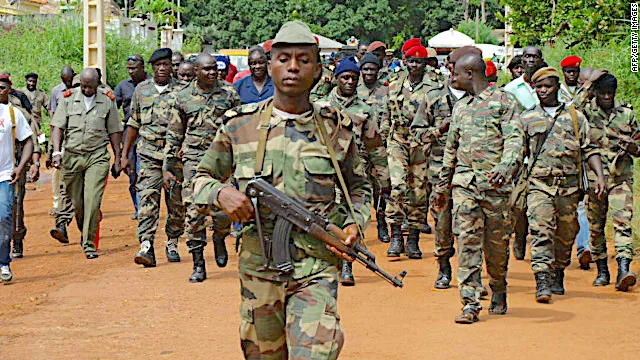
The crisis began on Wednesday when senior military officers appeared on national media to announce they had assumed full control of the West African nation. In a sweeping move, the junta confirmed the arrest of the President and ordered the immediate closure of all land, sea, and air borders.
This drastic action comes just three days after citizens cast their votes to elect a new leader, plunging the post-election period into chaos.
Reports also indicate that opposition heavyweight Domingos Simões Pereira, who was previously barred from contesting the election, has also been apprehended by security forces.
United Nations Calls for Restraint
The United Nations has reacted to the unfolding events with significant worry. A spokesperson for the Secretary-General confirmed that the organization is monitoring the situation closely.
“The Secretary-General is following the situation with deep concern,” the spokesperson stated. “He appeals to all national stakeholders in Guinea-Bissau to exercise restraint and respect the rule of law.”
The UN emphasized that it will continue to scrutinize developments on the ground as the political landscape shifts rapidly.
A History of Instability
This latest power grab adds another turbulent chapter to Guinea-Bissau’s political history. Since gaining independence in 1974, the nation has struggled with chronic instability, enduring four successful coups and numerous failed attempts to overthrow the government.
Nigeria’s Terror Surge Post-Trump: Coincidence, Conspiracy, or Cry for Help?






 Armenian Dram
 Ghana Cedi
 Gambian Dalasi
 Guinea Franc
 Nigerian Naira
 CFA Franc BEAC