West Africa’s primary political and economic bloc has officially ended its isolation of Guinea. On Wednesday, the Economic Community of West African States (ECOWAS) announced the immediate removal of all remaining penalties against the nation.
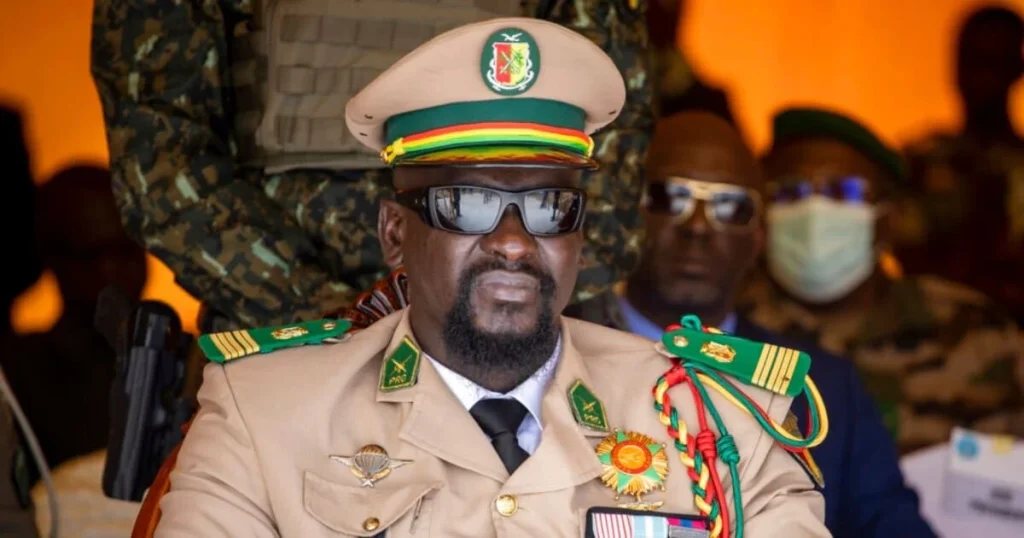
This pivotal move signals a complete diplomatic reset. It follows the December 2025 presidential election, which saw former military leader Mamady Doumbouya transition into an elected head of state. Consequently, the bloc has scrapped the ECOWAS sanctions on Guinea, which it originally imposed after the 2021 coup.
A Landslide Victory Seals the Deal
The path to normalization hinged on the ballot box. Earlier this month, Doumbouya took the oath of office during a ceremony attended by regional heads of state and thousands of supporters.
The Guinean Supreme Court confirmed official results that handed him a decisive victory. Doumbouya secured 86.7 percent of the vote in the country’s first presidential race since the military takeover.
Citing the “successful holding” of these polls, ECOWAS has welcomed Guinea back into all decision-making bodies. Furthermore, the organization removed restrictions targeting specific individuals involved in the 2021 ouster of President Alpha Condé.
The Long Road to Reintegration
The relationship between Conakry and the regional bloc has been thawing for some time. The removal of ECOWAS sanctions on Guinea happened gradually rather than suddenly.
Key milestones included:
- February 2024: ECOWAS eased financial restrictions, permitting transactions with regional banks.
- September 2025: A constitutional referendum established a new legal framework.
- December 2025: The military-led transition government delivered on its promise to hold elections.
Shadows Over the Celebration
Despite the diplomatic applause, the domestic situation remains tense. While ECOWAS leadership congratulated Doumbouya, they simultaneously urged him to prioritize “national unity and inclusive prosperity.”
This cautionary note reflects ongoing concerns from human rights advocates. Critics point out that the transition to civilian rule has not erased authoritarian tactics.
Significant civil liberty issues persist:
- Public Demonstrations: The government still strictly enforces a ban on protests.
- Opposition Crackdown: Security forces have arrested several political rivals or driven them into exile.
- Media Gag: Independent journalists continue to face heavy operating restrictions.
For now, the diplomatic doors are open. However, the international community will likely remain watchful of how the newly elected government handles dissent at home.
____________________________________________________
Climate Crisis Supercharges Deadly Mozambique Floods: 103 Dead, Thousands Displaced


 Armenian Dram
 Ghana Cedi
 Gambian Dalasi
 Guinea Franc
 Nigerian Naira
 CFA Franc BEAC