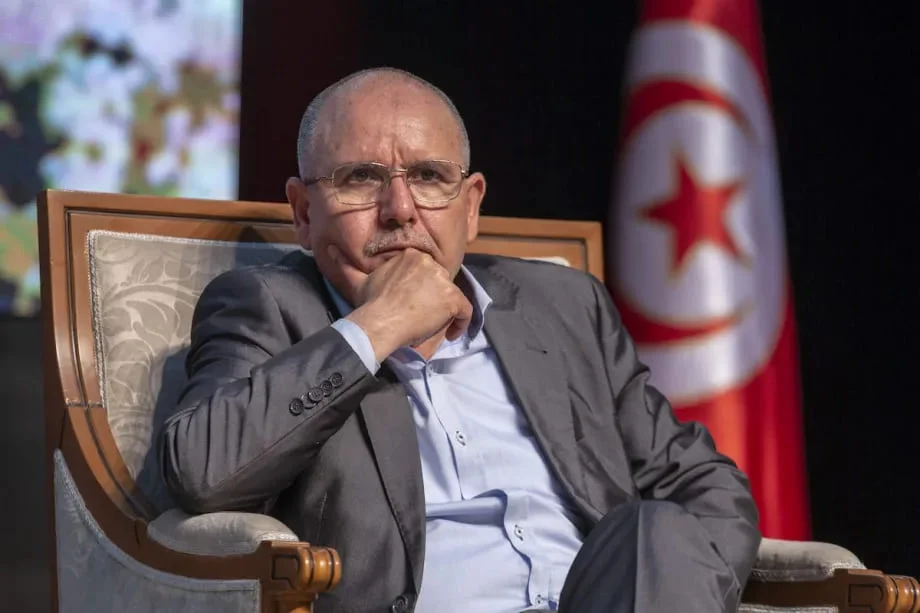
The leader of Tunisia’s most influential labor organization, Noureddine Taboubi, reportedly resigned on Tuesday. Union insiders confirmed his departure just weeks before a massive nationwide strike scheduled for next month.
Taboubi’s exit creates a significant leadership vacuum within the Tunisian General Labour Union (UGTT). Many observers view the UGTT as the final remaining pillar of democratic civil society in the nation.
While the federation has not yet issued a formal statement, the news has already sent ripples through Tunisia’s political landscape.
Escalating Tensions and the January Strike
The resignation comes at a critical juncture. The UGTT, which represents approximately one million members, has already called for a nationwide strike on January 21. This action is a direct response to President Kais Saied’s tightening grip on power and his crackdown on political opposition.
The upcoming strike aims to address several key issues:
- Defense of Dissent: Protesting the recent arrests of journalists, opposition figures, and civil society advocates.
- Economic Demands: Pushing for renewed wage negotiations to combat the country’s staggering inflation.
- Democratic Integrity: Challenging the president’s move toward a more centralized, authoritarian style of governance.
A Nation at a Crossroads
Since seizing extraordinary powers in 2021 to rule by decree, President Saied has faced intense international and domestic scrutiny. His supporters argue that these measures are necessary to eliminate deep-seated corruption and mismanagement. In contrast, his critics and the political opposition have labeled his actions a “coup” that has effectively dismantled Tunisia’s post-2011 democratic achievements.
The UGTT played a pivotal role in the country’s transition to democracy over a decade ago. However, its influence is now being tested. As Taboubi steps down, the union must find a way to maintain its unity while facing a government that is increasingly unwilling to negotiate.
Economic Hardship and Public Discontent
Beyond the political theater, everyday Tunisians are struggling with a severe cost-of-living crisis. The country is currently plagued by:
- High Inflation: Rapidly rising prices for essential goods.
- Product Shortages: Frequent gaps in the availability of basic food items.
- Deteriorating Services: A visible decline in the quality of public healthcare and transportation.
These economic pressures have fueled a wave of street protests, making the January 21 strike a potential flashpoint for broader social unrest. With the UGTT’s leadership now in transition, the future of Tunisia’s democratic resistance remains highly uncertain.
ALSO READ: Telecom Italia Streamlines Equity Following €1B Legal Win





 Armenian Dram
 Ghana Cedi
 Gambian Dalasi
 Guinea Franc
 Nigerian Naira
 CFA Franc BEAC