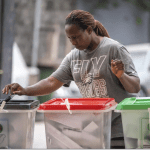
Ugandan authorities have officially dismissed claims that they intend to disable internet access during the upcoming general elections. Government representatives categorized reports of an impending digital blackout as unfounded rumors aimed at causing unnecessary alarm.
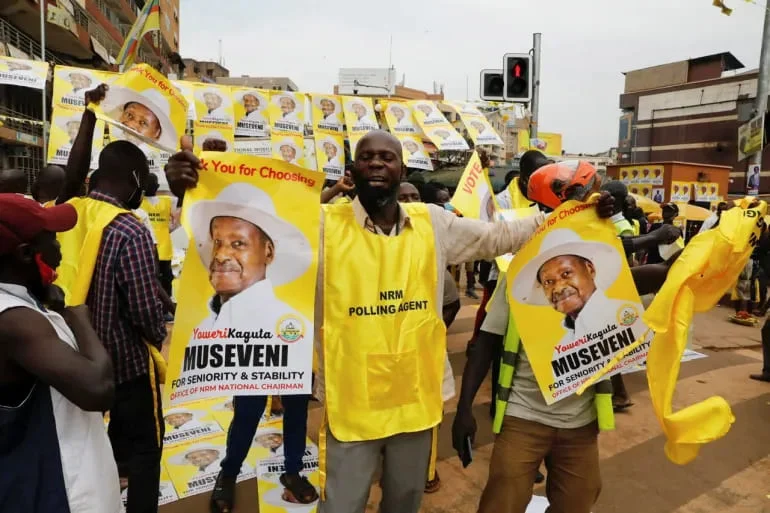
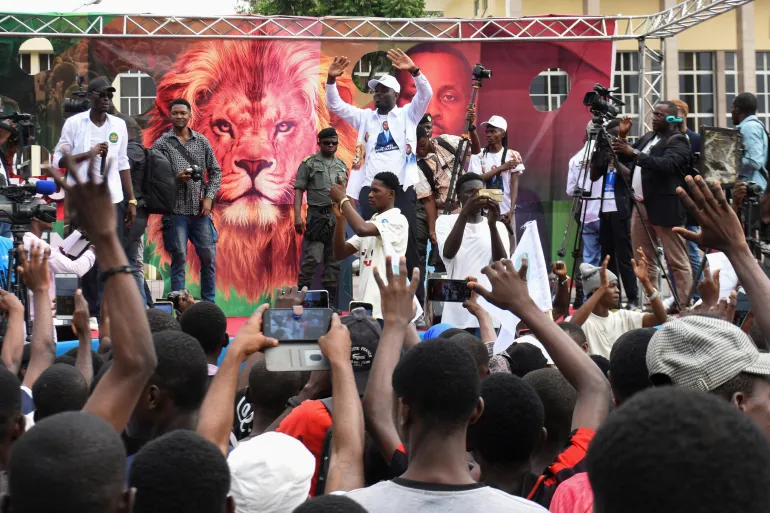
As the nation prepares to head to the polls on January 15, 2026, the political climate is charged. President Yoweri Museveni is seeking to extend his 40-year tenure, while his primary challenger, Robert Kyagulanyi (Bobi Wine), has repeatedly warned that a blackout could be used to hide electoral irregularities.
Government Guarantees Connectivity
The Uganda Communications Commission (UCC) stated that its primary mission is to maintain, not disrupt, the nation’s connectivity. Executive Director Nyombi Thembo addressed the public to clarify that there are no official orders to cut services.
Amina Zawedde, a senior official at the Ministry of Communications, reinforced this stance but issued a warning regarding digital behavior:
- Legal Compliance: All online activities remain under the jurisdiction of the Computer Misuse Act.
- Result Reporting: Only the official Electoral Commission has the legal right to announce final tallies.
- Misinformation: The government warns against the spread of inflammatory content or unverified results on social media.
Opposition Preparations for a Blackout
The skepticism from the National Unity Platform (NUP) stems from the 2021 election, which was marked by a four-day total internet shutdown. To safeguard transparency this year, the opposition has developed “Bitchart,” an offline monitoring application.
This tool utilizes Bluetooth technology to allow polling agents to share images of result forms and vote data without requiring an active cellular or Wi-Fi connection. Bobi Wine maintains that these measures are essential for holding authorities accountable in the event of a sudden loss of service.
Rising Tensions and Regulatory Moves
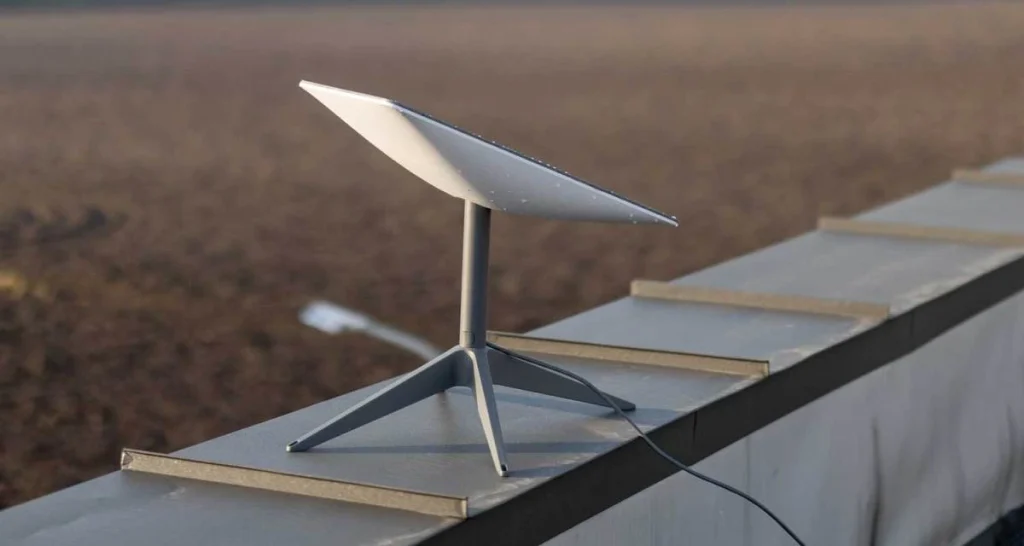
The digital debate intensified recently after the satellite provider Starlink reportedly restricted services following a regulatory directive. This move, coupled with reports from international groups like Amnesty International regarding the treatment of opposition supporters, has kept the international community on high alert.
Despite these challenges, the government maintains that the 2026 election will be a fair process, denying long-standing accusations of voter intimidation as Museveni faces his sixth electoral contest since 1986.





 Armenian Dram
 Ghana Cedi
 Gambian Dalasi
 Guinea Franc
 Nigerian Naira
 CFA Franc BEAC