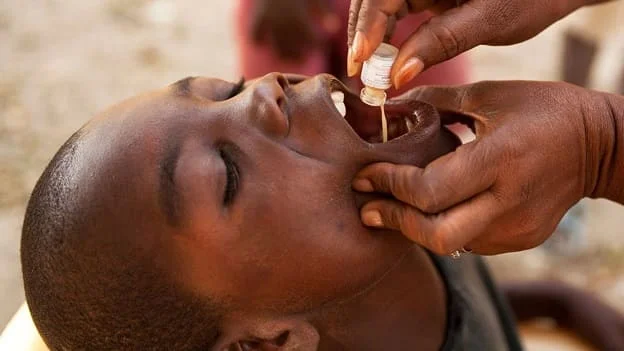
Health officials have mobilized a rapid-response immunization strategy this week to combat a dangerous spike in waterborne disease. The Malawi cholera vaccination campaign is currently sweeping through high-risk zones to curb an escalation in infections. Authorities are prioritizing speed, deploying a strict three-day window to build immunity where it is needed most.
The commercial hub of Blantyre has emerged as the outbreak’s epicenter. Consequently, resources are being funneled into the Chilomoni township. This densely packed area is currently the primary battleground for containment efforts.
The Epicenter: Blantyre on High Alert
Recent data paints a worrying picture for the region. Blantyre is responsible for more than 50% of all confirmed cases in the country. Within the Chilomoni township specifically, surveillance teams have verified at least 17 infections and one death in just the last few weeks.
This localized surge has triggered a nationwide alert. While the districts of Lilongwe and Neno are reporting high volumes of suspected patients, Blantyre remains the fastest-growing hotspot. Therefore, the current immunization push is vital to prevent the bacterium from gaining a permanent foothold in the city.
Rising Fatality Rates Alarm Experts
The severity of this outbreak is evident in the mortality statistics. Malawi’s national Case Fatality Rate (CFR) currently sits at 3.23%. This figure is alarmingly high, exceeding the World Health Organization’s (WHO) acceptable threshold of 1% by more than three times.
Current national statistics include:
-
Suspected Infections: Over 280 cases reported across the country.
-
Confirmation Rate: Approximately 11% of suspected cases have tested positive in labs.
-
Hotspot Density: 16 of the laboratory-confirmed cases are isolated within Blantyre.
A Continent Under Pressure
Malawi is not fighting this battle alone. The local crisis mirrors a massive continental resurgence. Africa is currently grappling with a 25-year peak in cholera activity, logging over 300,000 infections in the past year.
Experts point to environmental instability as the catalyst. Extreme weather patterns have battered Southern Africa, leaving destruction in their wake. Specifically, heavy rains and subsequent flooding have overwhelmed sanitation infrastructure. As a result, clean water sources have been contaminated, accelerating the spread of Vibrio cholerae.
Boots on the Ground Response
To ensure the Malawi cholera vaccination effort succeeds, Health Surveillance Assistants are moving door-to-door. These teams are doing more than just administering shots. They are working to break the chain of transmission at the household level.
Simultaneously, officials are distributing personalized hygiene kits to vulnerable families. “Pot-to-pot” chlorination initiatives are also underway to treat water at the point of use. Education on safe water practices is being prioritized to prevent reinfection once the vaccine drive concludes.
While cholera is often labeled a “disease of inequality,” it remains highly treatable with prompt care. Modern oral vaccines provide protection for at least a year, while oral rehydration salts (ORS) effectively manage most active cases.
____________________________________________________
Trinity Rodman Shatters Records With $2M Washington Spirit Extension








 Armenian Dram
 Ghana Cedi
 Gambian Dalasi
 Guinea Franc
 Nigerian Naira
 CFA Franc BEAC