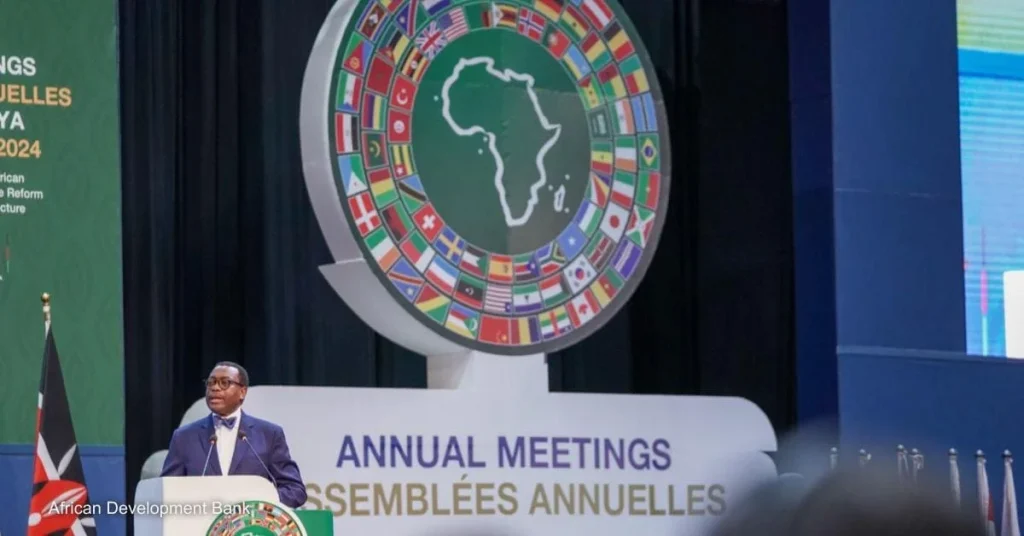
The African Development Bank (AfDB) has launched a critical donor-pledging conference in London.
The aim is to secure funding for its concessional lending arm, the African Development Fund (ADF), which supports low-income countries.
The conference, which began on Monday, faces a significant challenge. A potential retreat in support from the United States threatens the bank’s ambitious $25 billion fundraising target.
Earlier this year, the Trump administration withheld a $197 million tranche that was promised in the previous replenishment round. This move has cast doubt on Washington’s future contributions.
The Funding Gap
The AfDB, which is Africa’s largest development lender, confirmed that the U.S. would send a representative to the two-day talks. However, it remains unclear if any financial commitment will be made.
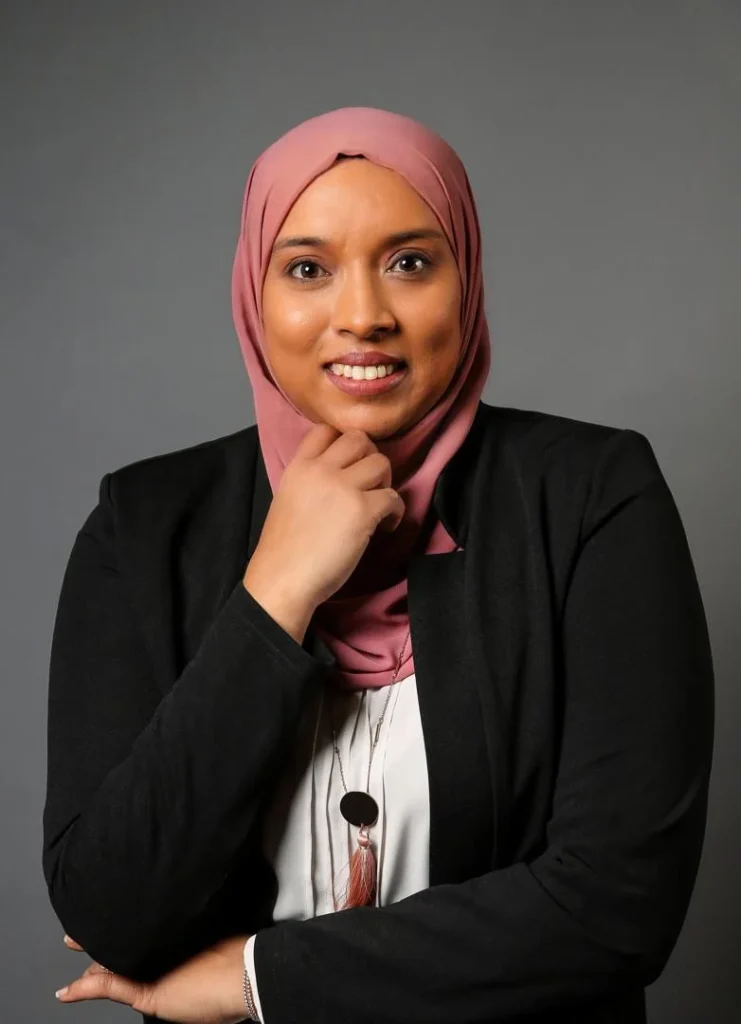
Valerie Dabady, the AfDB’s head of resource mobilization and partnerships, highlighted the gravity of the situation.
“Existing partner countries are unlikely to fully close the $560 million grant funding gap that would remain without a United States pledge,” Dabady stated.
While the White House has not commented directly on the current pledges, a U.S. Treasury spokesperson stated in September that they were seeking to return the ADF to its “core mission.” The Trump administration has previously reduced support for other multilateral institutions, including a significant cut to the World Bank’s International Development Association in May.
A Vital Lifeline
The ADF is a crucial financial lifeline for the continent.
- History: Since 1972, it has provided $45 billion to 37 low-income African nations.
- Projects: Funds finance essential infrastructure like irrigation, roads, and electricity.
- Terms: Unlike standard loans, the ADF offers grants and concessional loans with repayment periods exceeding 20 years.
This funding is increasingly vital as African governments face heavy debt burdens and shrinking access to global capital markets.
In the last replenishment round (ending in 2022), the U.S. contributed nearly 7% of the total $8.9 billion, ranking among the top five donors alongside Germany, France, Britain, and Japan.
New Donors Step Up
With the $25 billion goal at risk, other nations are increasing their support.
- Denmark: Pledged to raise its contribution by 40% to roughly $171 million.
- Norway: Promised a near 6% increase.
Crucially, African member states are also beginning to contribute directly. Kenyan President William Ruto committed $20 million last year. Other potential regional donors include Benin, Ghana, and Sierra Leone.
Additionally, the fund is finalizing plans to raise $5 billion in seed funding from capital markets and is looking to tap into philanthropic organizations to bridge the gap.
READ MORE: Ethiopia Sets Date: General Election Scheduled for June 1, 2026



 Armenian Dram
 Ghana Cedi
 Gambian Dalasi
 Guinea Franc
 Nigerian Naira
 CFA Franc BEAC