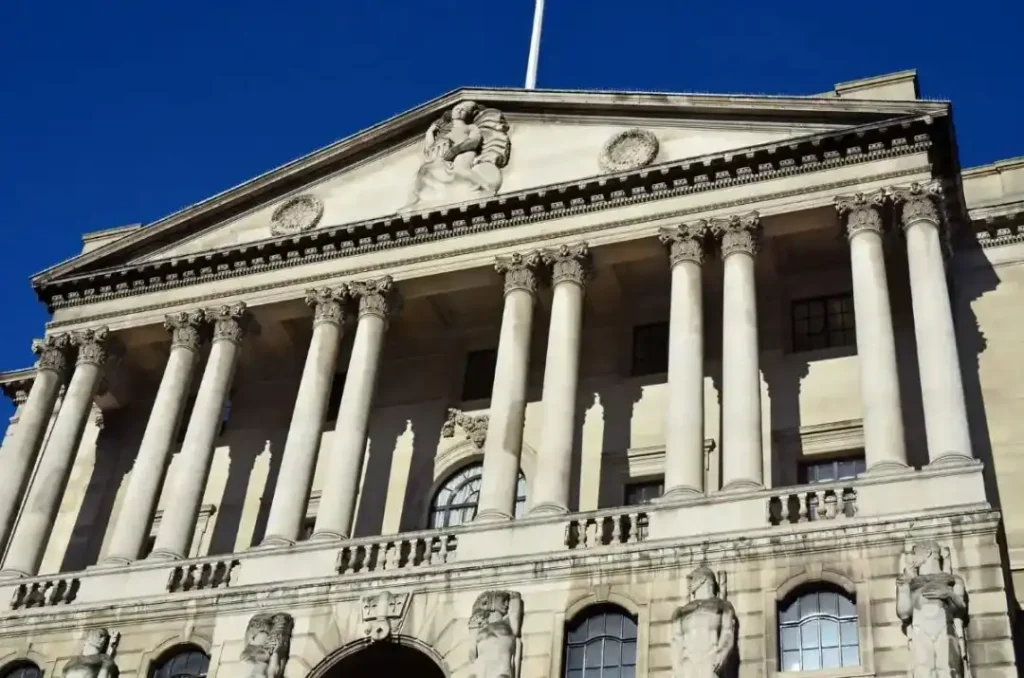
The Bank of England (BoE) is widely expected to maintain its benchmark interest rate at 3.75% during its upcoming February meeting. Despite a slight majority of economists predicting a cut to 3.50% by March, recent surges in economic activity and persistent inflation have shifted the narrative toward a more cautious “wait-and-see” approach.
A Divided Committee Faces New Data
The nine-member Monetary Policy Committee (MPC) has been notoriously split in recent months. In December, the group narrowly approved a quarter-point reduction with a 5-4 vote. However, the debate for February appears less intense due to a string of robust economic indicators:
- Business Growth: Private sector activity has reached its strongest levels since early 2024.
- Consumer Spending: Retail sales have outperformed expectations, signaling resilient household demand.
- Inflation Pressures: Consumer prices remain significantly above the BoE’s 2% target, marking the highest inflation rate among G7 nations.
The Shift in Market Expectations
A recent survey of 56 economists reveals a consolidated view: 54 experts believe the BoE will hold rates on February 5, while only two anticipate a cut. This mirrors current market pricing, which suggests investors are bracing for a pause.
“The bank will want to take a wait-and-see approach, let the dust settle on some of the data,” noted Sanjay Raja, chief UK economist at Deutsche Bank. He suggested that the MPC might even choose to skip rate movements for the entirety of the first quarter.
March Outlook: A Shrinking Majority
The conviction for a March rate cut is fading. Currently, 55% of surveyed economists expect a reduction by the end of Q1, down sharply from 72% in December. The remaining 45% now believe the BoE will maintain the 3.75% rate through the end of March.
Long-Term Forecasts: Where is the Bottom?
While the immediate path is uncertain, the long-term consensus points toward a gradual decline in borrowing costs.
- Growth Forecast: The UK economy is projected to grow by 1.0% in 2026 and 1.4% in 2027.
- Inflation Path: Analysts expect inflation to average 2.5% this year, eventually cooling to 2.1% by 2027.
- The “Floor”: Median forecasts suggest rates will eventually hit a low of 3.25% by the third quarter of 2026.
The Labor Market and Service Costs
A critical factor for the BoE remains the “stickiness” of services inflation, which is heavily influenced by wage growth. While some indicators suggest the labor market is loosening and wage hikes are decelerating, MPC members like Megan Greene remain concerned that businesses may continue to raise pay, making the 2% inflation goal harder to reach.
However, some relief is expected soon. Economists at Investec point out that the removal of specific tax comparisons—such as the previous year’s VAT on private school fees—will help bring the annual inflation headline down in the coming months.
With business growth hitting a two-year high, the “wait-and-see” strategy is back in fashion. Share your thoughts on the BoE’s next move in the comments below!








 Armenian Dram
 Ghana Cedi
 Gambian Dalasi
 Guinea Franc
 Nigerian Naira
 CFA Franc BEAC