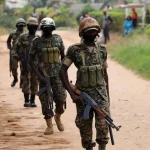
West African leaders have officially rejected a transition programme proposed by Guinea-Bissau’s military rulers, demanding a swift return to constitutional order.
The regional bloc also issued a stern warning, threatening targeted sanctions against any individuals who obstruct this process.
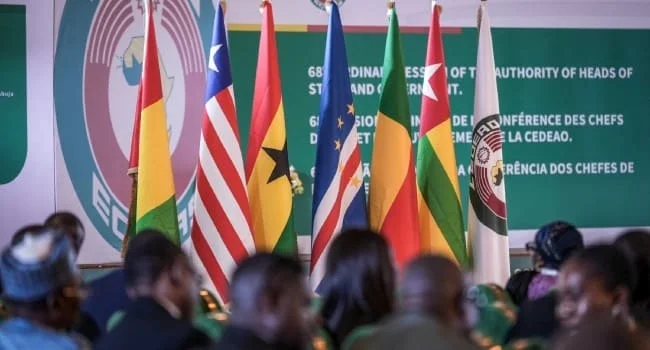
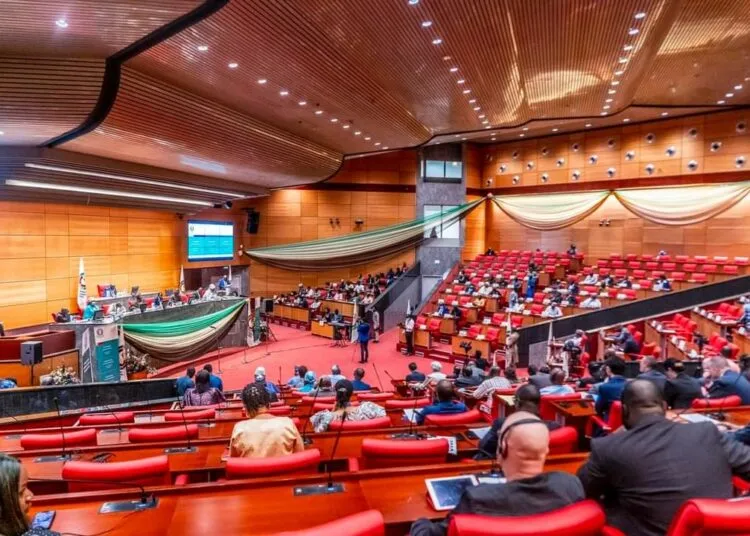
This firm stance was reaffirmed on Sunday in Abuja, Nigeria, where heads of state gathered for the 68th summit of the Economic Community of West African States (ECOWAS).
A Threat to Stability
The summit opened amidst growing concerns as the region faces insecurity, economic pressure, and political instability.
Julius Maada Bio, the President of Sierra Leone and ECOWAS Commission Chairman, addressed the gathering to warn that the resurgence of unconstitutional government changes poses a serious threat.
“The architects of ECOWAS understood that democracy is inseparable from peace, justice and development,” Bio said. “Today, that democratic order is being tested.”
Pointing to specific examples of instability, he highlighted the ongoing crisis in Guinea-Bissau and a recent attempted coup in Benin. According to Bio, these events serve as reminders that democracy in the region requires constant vigilance and principled action.
“A Family Bound by Memory”
Representing President Bola Tinubu, Nigeria’s Vice President Kashim Shettima urged leaders to reaffirm their commitment to regional solidarity. He stressed that West Africa’s unity transcends political disagreements.
“West Africa is not a random assemblage of borders drawn by chance. It is a family bound by memory, culture, struggle, and aspiration,”Shettima stated.
While acknowledging that member states often test each other’s patience, he insisted that “disagreement does not erase belonging.” Shettima argued that dialogue and fraternity, rather than force, must define the future of the regional bloc.
Beyond Politics
The leaders also reviewed progress on other critical fronts:
- Economic Integration: Discussions covered the ECOWAS Trade Liberalization Scheme.
- Infrastructure: They examined major energy cooperation and infrastructure projects.
- Climate Change: The summit addressed the impact of climate change on food security, calling for coordinated responses to recurring floods and droughts.
Uncertain Future?
The summit takes place during a delicate time for the bloc as ECOWAS negotiates with several military-led governments. Some of these nations have either withdrawn from or suspended their participation, raising questions about the future of regional unity.
Founded in 1975, ECOWAS comprises 15 member states established to promote economic integration, peace, and political stability across West Africa.





 Armenian Dram
 Ghana Cedi
 Gambian Dalasi
 Guinea Franc
 Nigerian Naira
 CFA Franc BEAC