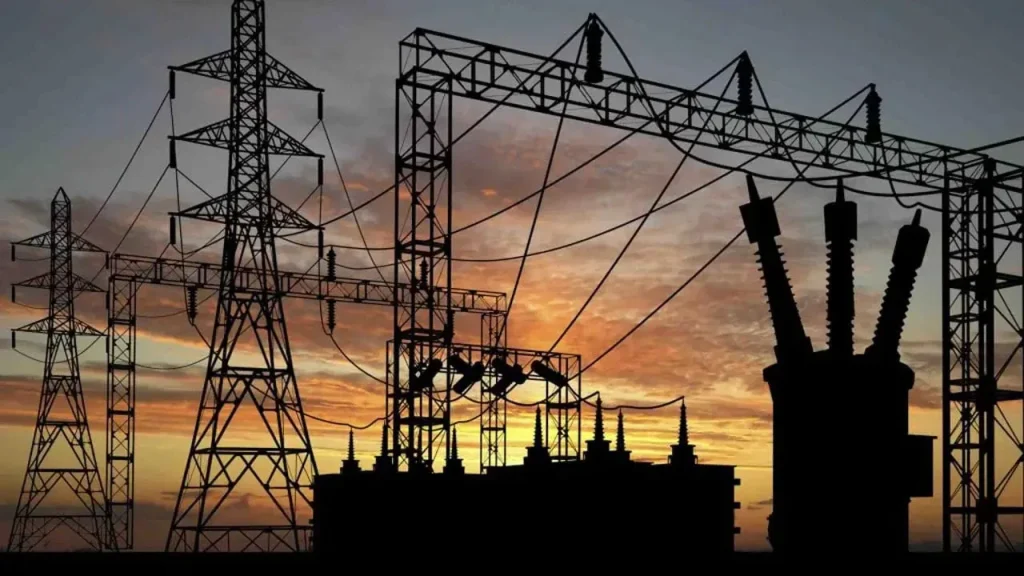
For the second time in less than seven days, Nigeria’s national power grid has suffered a total system failure. This collapse occurred on Tuesday morning, January 27, 2026, once again leaving millions of homes and businesses without electricity. The incident highlights the ongoing fragility of the nation’s aging energy infrastructure.
Data from the Nigerian Independent System Operator (NISO) confirmed the catastrophic failure at approximately 11:00 AM. Load allocation to all 11 electricity distribution companies (DisCos) plummeted to zero megawatts (MW). Simultaneously, total power generation across the entire country bottomed out at a meager 39 MW.
The Cause: System-Wide Disturbances
According to preliminary reports from NISO, the collapse was triggered by a series of technical failures within the transmission network. Specifically, the operator identified several key factors that contributed to the blackout:
- Line Tripping: The simultaneous tripping of multiple 330kV high-voltage transmission lines destabilized the network.
- Generator Disconnection: Several grid-connected generating units were forced offline immediately following the initial disturbance.
- Network Instability: The collective impact of these events led to a total loss of system stability, effectively “blacking out” the national grid.
This incident follows closely on the heels of the year’s first collapse, which occurred just days ago on January 23. These frequent failures serve as a grim reminder of 2025, which saw multiple collapses, including a significant breakdown on December 29.
The Massive Energy Gap in Nigeria
Despite being Africa’s largest economy, Nigeria continues to struggle with a profound energy deficit. Currently, the gap between what the grid can provide and what the population actually requires remains vast.
To put the numbers into perspective, the grid typically operates between 4,000 and 5,000 MW. However, the estimated national demand to adequately serve the country is approximately 30,000 MW. Following this latest collapse, the available generation of 39 MW represents less than 1% of the grid’s usual (and already insufficient) capacity.
Industry experts argue that “system disturbances” will continue to be a regular occurrence for Nigerian consumers until the transmission infrastructure is modernized. Furthermore, generation capacity must be significantly expanded to meet the needs of nearly 250 million people.





 Armenian Dram
 Ghana Cedi
 Gambian Dalasi
 Guinea Franc
 Nigerian Naira
 CFA Franc BEAC