Plummeting electricity prices are creating a significant financial headache for French utility giant EDF.
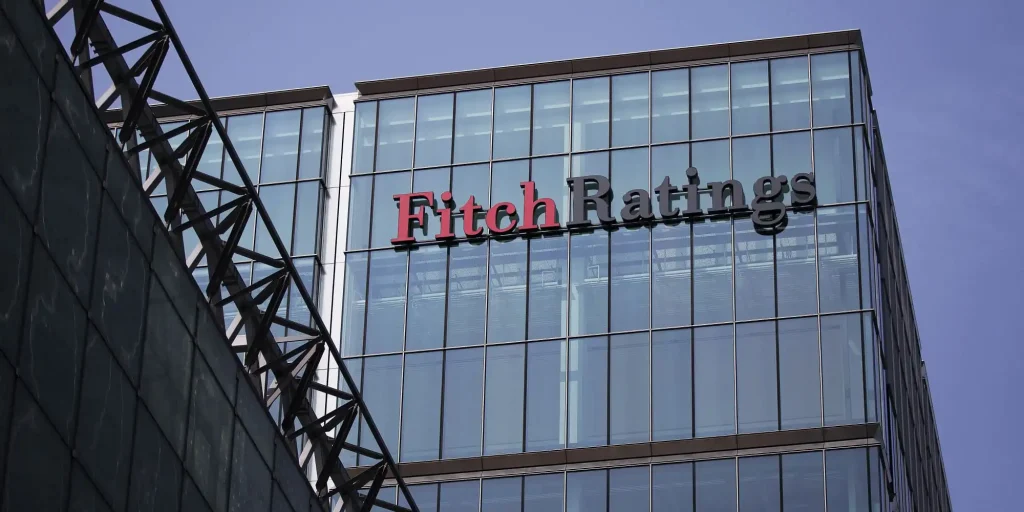
According to Fitch Ratings, persistent low market rates could hamper the company’s earnings and its ability to manage debt just as it prepares for a massive expansion.
Antonio Totaro, a senior director at the credit rating agency, warned on Thursday that the current market dynamics are problematic. EDF is currently gearing up to build six new nuclear reactors, a capital-intensive project that requires a robust balance sheet.
However, the average price for power in France for 2026 delivery has dropped approximately 30% since January. This marks the lowest level since mid-2018.
The Surplus Trap
The price drop is the result of a lingering power surplus. Following the energy crisis of 2022, prices skyrocketed, forcing industries to shut down factories and cut consumption. While the crisis abated, demand has not fully recovered.
Totaro noted that expectations for demand growth over the next two years remain limited.
“For now, the electrification is on paper,” Totaro explained. “You need some contribution from the demand (for prices to rise), which we don’t see at the moment. It will come, but it’s taking more time than expected.”
Earnings Forecast to Drop
Fitch Ratings has adjusted its outlook for EDF’s financial performance based on these lower market prices.
- 2024 Earnings: The company reported €36.5 billion.
- Future Forecast: Earnings before interest, taxes, depreciation, and amortization (EBITDA) are expected to fall to between €20 billion and €25 billion annually over the next several years.
The Maintenance Burden
Beyond the new reactors, EDF faces a colossal bill for its existing infrastructure. The company must organize a large-scale maintenance program for its current nuclear fleet, which provides about 70% of France’s electricity.
This maintenance is expected to cost over €100 billion by 2035.
A Production Paradox
Totaro highlighted a cruel irony in EDF’s recent operational success.
In recent years, the company successfully brought its nuclear fleet back online following mass outages in 2022. However, this success has a downside in the current market.
“The more they produce, the more the price goes down without additional demand in the system,” Totaro said.
READ ALSO: Tit-for-Tat: Ghana Expels Three Israelis in Diplomatic Retaliation








 Armenian Dram
 Ghana Cedi
 Gambian Dalasi
 Guinea Franc
 Nigerian Naira
 CFA Franc BEAC