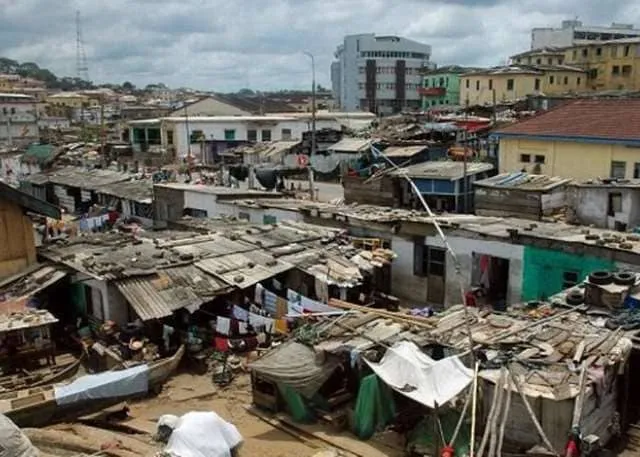
The Ghana Statistical Service (GSS) has reported a significant improvement in national welfare, as the multidimensional poverty rate continues its steady decline. According to data released on Wednesday, January 21, 2026, the index fell to 21.9% in the third quarter of 2025.
This marks the third consecutive quarterly improvement for the West African nation. The rate has dropped two full percentage points since the first quarter of 2025, when it stood at 23.9%.
Significant Progress in Living Standards
The Multidimensional Poverty Index (MPI) provides a broader view of welfare than income alone. It tracks deprivation across four critical sectors:
- Health: Access to medical services and nutrition.
- Education: Enrollment rates and school completion.
- Living Conditions: Availability of clean water and proper sanitation.
- Employment: Opportunities for stable and productive work.
As a result of this decline, approximately one million citizens out of Ghana’s total population of 35 million have successfully transitioned out of poverty over the past twelve months.
Disparities in Economic Hardship
Despite the overall positive trend, the data highlights significant gaps among different demographic groups. The Statistical Service noted that economic hardship remains most severe in households where the head of the family lacks formal education.
Furthermore, vulnerable populations continue to face a disproportionate amount of deprivation. While the general outlook is improving, these groups remain at higher risk of falling back into poverty.
Identifying the Drivers of Change
The Government Statistician credited the recent progress to a general improvement in national living conditions. However, the official also issued a note of caution. While the numbers are trending downward, the underlying structural drivers of poverty in Ghana remain largely the same.
Moving forward, policy experts suggest that sustaining this momentum will require addressing these core issues to ensure that the progress made in 2025 is not reversed by future economic fluctuations.








 Armenian Dram
 Ghana Cedi
 Gambian Dalasi
 Guinea Franc
 Nigerian Naira
 CFA Franc BEAC