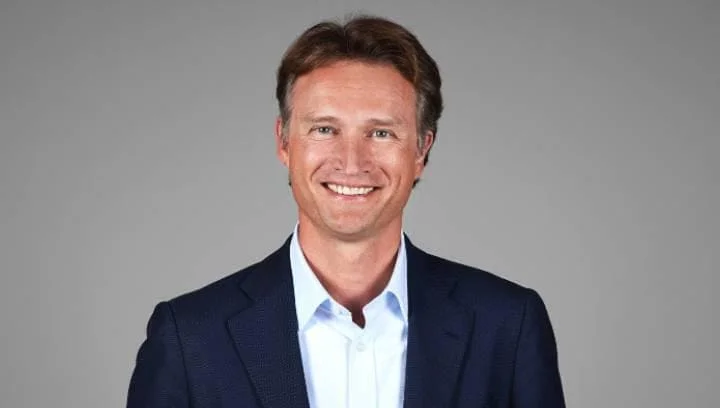
In a move that has caught global markets off guard, Heineken NV announced on Monday, January 12, 2026, that its Chief Executive Officer, Dolf van den Brink, will step down on May 31, 2026. This resignation comes just months after the world’s second-largest brewer unveiled an ambitious long-term strategy designed to carry the company through 2030.
Following the announcement, Heineken’s shares dipped by 2%. Consequently, investors are now weighing the impact of a leadership transition during an increasingly volatile period for the global beverage industry.
A Turbulent Tenure Under Pressure
Van den Brink took control of the Dutch brewing giant in June 2020. During his tenure, he navigated the company through the height of the COVID-19 pandemic. Specifically, his six-year leadership has been defined by extreme external pressures, including:
- Soaring Inflation: Massive cost increases for raw materials have significantly squeezed profit margins.
- Geopolitical Volatility: Market disruptions in key growth regions, such as Vietnam and Nigeria, complicated the company’s financial outlook.
- Retail Conflicts: A 2025 pricing dispute with European retailers briefly saw Heineken products removed from several supermarket shelves.
- Strategic Acquisitions: Despite the turbulence, he oversaw major expansions into high-growth markets like India and South Africa.
Why Is the Leadership Change Happening Now?
Both Van den Brink and Supervisory Board Chairman Peter Wennink described the departure as the “right moment” for a change. Because the “EverGreen” 2030 strategy was officially set in October 2025, the company believes a new leader is now best positioned to execute those long-term goals.
To ensure a smooth transition, Van den Brink has agreed to remain as an advisor for eight months starting in June.
Industry-Wide Struggles and Shifting Habits
This resignation reflects broader challenges currently facing the consumer goods sector. Like many of its peers, Heineken has struggled to increase sales volume. Furthermore, the brewing industry faces several emerging threats:
- Changing Habits: Younger demographics are increasingly shifting away from traditional alcohol consumption.
- Health Trends: The rise of weight-loss drugs is creating uncertainty regarding the future demand for high-calorie beverages.
- Rising Competition: New competitors and alternative beverage categories continue to erode the market share of traditional lagers.
“Heineken has reached a stage where a transition in leadership will best serve the company in further executing its long-term ambitions,” Van den Brink stated.
What’s Next for Heineken?
The board is now launching a formal search for a successor who can balance cost efficiency with a need to revitalize consumer demand. While Van den Brink arrived in 2020 with high expectations, analysts note that the company has recently lagged behind competitors in terms of investor returns.
The incoming CEO will be tasked with meeting the 2030 promises of cost savings and profit growth. Ultimately, they must achieve this while navigating an increasingly unpredictable global economy.
READ ALSO: Spotlight: The Rise of African Tech and the Essential Skills for 2026







 Armenian Dram
 Ghana Cedi
 Gambian Dalasi
 Guinea Franc
 Nigerian Naira
 CFA Franc BEAC