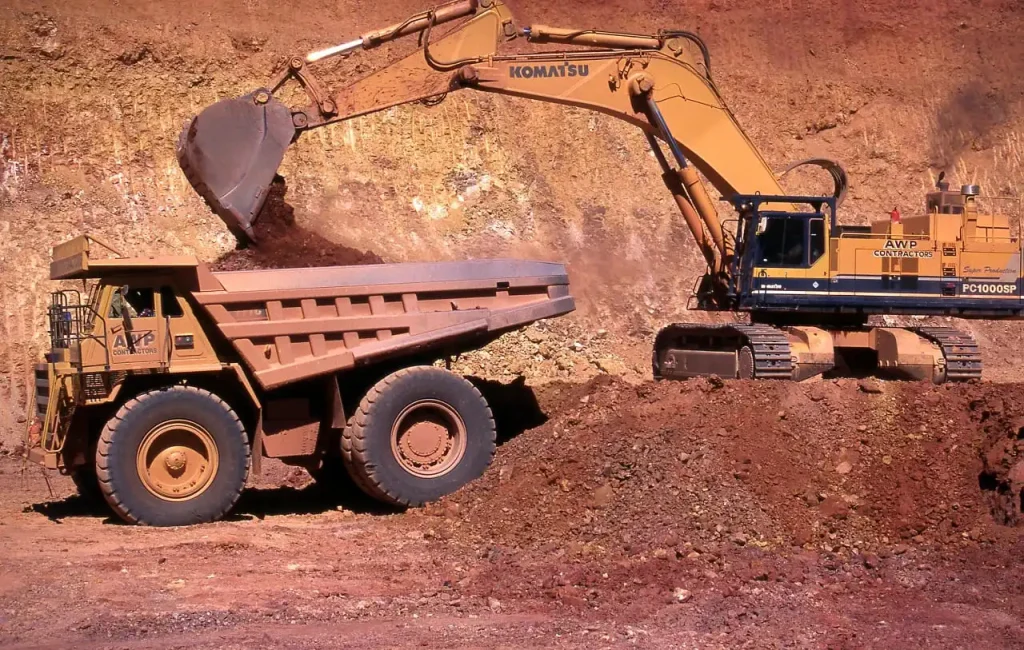
The Malian government has successfully recovered more than one billion dollars in arrears. These funds came from mining companies operating within the country.
Finance Minister Alousséni Sanou announced this milestone on Tuesday. It marks one of the most significant financial clawbacks in the nation’s history.
This major recovery is the direct result of a comprehensive audit. The military-led administration initiated this sector-wide review in early 2023.
The audit uncovered substantial financial irregularities. It also revealed revenue shortfalls owed to the state. Originally, officials estimated these debts to be between half a billion and one billion dollars.
Overhauling the Mining Code
The audit’s findings served as a catalyst for reform. Consequently, the administration introduced a new mining code designed to maximize national benefits.
The new regulations include several key changes:
- Higher Royalties: Increasing the rates companies must pay.
- Ending Stability Clauses: Removing clauses that previously froze tax terms.
- State Ownership: Significantly boosting the state’s equity stake in mining projects.
Following the audit, the government established a specialized recovery commission. Their task was to address these financial gaps and enforce the new regulations.
Disputes and Settlements
This aggressive reform agenda caused high-stakes tension within the industry. Most notably, it triggered a two-year dispute with Canada’s Barrick Mining, the country’s leading gold producer.
The government finally reached a settlement with the mining giant in November. However, the Finance Minister did not clarify if funds from that specific deal were included in the total recovery figure announced on Tuesday.
Future Economic Impact
The renegotiation committee emphasized their broader objective. Their goal extends beyond immediate debt recovery. They aim to restructure contracts to ensure the state holds a larger share of its natural resources.
Government officials project that these new measures will boost the economy. They expect the reforms to inject hundreds of millions of dollars into the national treasury annually.
As one of Africa’s premier gold producers, Mali remains heavily dependent on this sector. It is crucial for both export earnings and fiscal stability.







 Armenian Dram
 Ghana Cedi
 Gambian Dalasi
 Guinea Franc
 Nigerian Naira
 CFA Franc BEAC