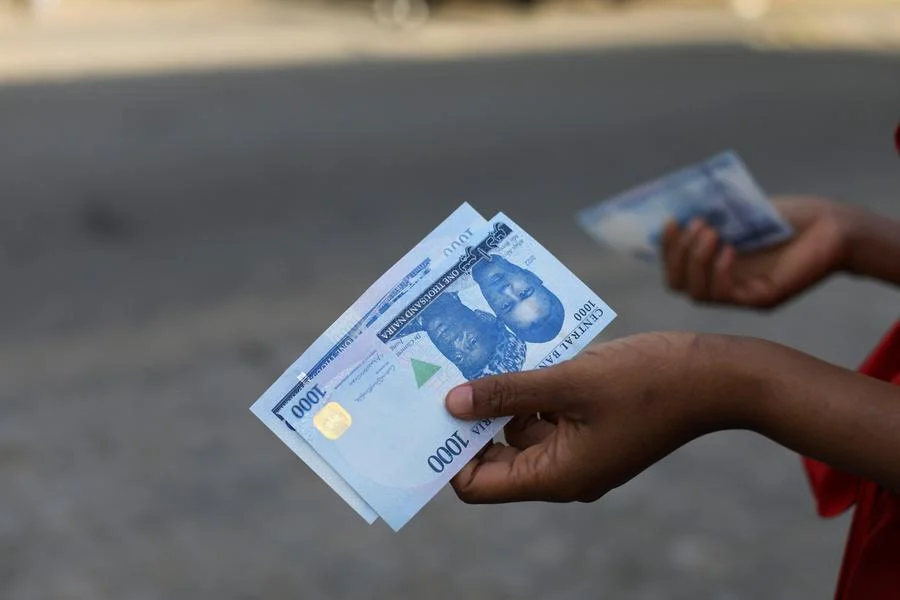
The Nigerian Naira strengthened significantly this past week. It recovered from recent volatility to post gains against the US Dollar. By the end of the week, the currency appreciated by 0.69 percent at the official window.
The rate moved to N1,446.74/$, an improvement from the previous figure of N1,456.72/$. Throughout the week, trading in the official market stayed mostly below the N1,450/$ mark. Meanwhile, the parallel market saw only a small adjustment. It eased by 0.07 percent to trade at N1,476 per dollar.
Massive Growth in Foreign Inflows
This currency recovery aligns with a major jump in foreign investment. Olayemi Cardoso, Governor of the Central Bank of Nigeria (CBN), shared new data at the 60th Annual Bankers’ Dinner in Lagos.
He revealed that foreign capital inflows reached $20.98 billion in the first ten months of 2025. This figure represents a massive increase:
-
A 70 percent rise over total inflows for 2024.
-
A 428 percent surge compared to the $3.9 billion recorded in 2023.
According to Cardoso, these numbers prove there is a “clear resurgence in investor confidence.”
Why is the Naira Rising?
Market analysts believe the Naira is rising due to better liquidity. Reports from investment firms show that Foreign Portfolio Investors (FPIs) are selling their dollar positions. Consequently, this boosts supply and lowers demand pressure.
Analysts at Cowry Asset Management and AIICO Capital highlighted three key factors:
-
Deeper Liquidity: A steady flow of funds has improved supply conditions.
-
Narrower Spreads: The gap between bid and offer prices is tighter, which signals better price discovery.
-
Rational Pricing: The CBN’s “willing-buyer-willing-seller” model is working. As a result, the market is driven by genuine dynamics rather than panic.
The Impact of FX Reforms
Governor Cardoso also highlighted structural reforms that are changing the market. The most important changes include unifying exchange rate windows and clearing the FX backlog. These moves have successfully restored business credibility.
Additionally, the CBN introduced the Nigerian Foreign Exchange Code. They also deployed a new electronic management system powered by Bloomberg. These tools ensure transparency and real-time visibility.
“The naira now trades within a narrow, stable range,” Cardoso stated. “The once-substantial gap between the official and parallel markets has shrunk to under two per cent.”
Market Outlook
What can we expect next week? Analysts suggest the Naira may still face mild pressure. This is due to lingering structural imbalances and ongoing demand. However, the general outlook remains cautiously optimistic.
Rising external reserves should act as a buffer. Furthermore, month-end inflows are expected to support the currency. Finally, a calmer environment after the MPC meeting will allow market rates to settle naturally.








 Armenian Dram
 Ghana Cedi
 Gambian Dalasi
 Guinea Franc
 Nigerian Naira
 CFA Franc BEAC