The Nigerian Civil Aviation Authority (NCAA) has officially dismissed claims that high domestic airfares are the result of excessive government taxes. Instead, the regulator insists that the current price hikes are driven by standard market forces of supply and demand.
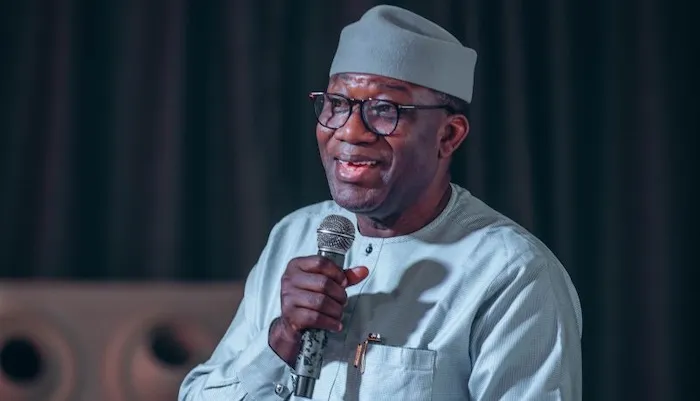
Michael Achimugu, the NCAA’s Director of Public Affairs and Consumer Protection, addressed the issue in a statement on Sunday.
He clarified that allegations of the government imposing “18 different taxes” on domestic carriers are completely unfounded.
The “18 Taxes” Allegation Debunked
Achimugu challenged the narrative that government levies are responsible for the surge in ticket costs. He noted that during recent consultations, domestic airlines admitted they do not actually pay the volume of taxes being reported in the media.
Key points from the NCAA’s clarification:
- Static Tax Rates: Aviation taxes have not increased recently. Therefore, they cannot be the cause of the sudden price spike seen this December.
- Government Support: The official highlighted the significant support provided to airlines by President Bola Ahmed Tinubu and Aviation Minister Festus Keyamo.
- Price Inconsistency: Achimugu questioned why tickets for 45-minute flights have reached ₦500,000 if taxes remained unchanged throughout the year.
The Airline Perspective: Operational Struggles
The NCAA’s statement follows comments from Air Peace CEO Allen Onyema. Speaking recently, Onyema argued that airlines are the “sacrificial lamb” of the industry. He claimed that nearly 70% of ticket revenue goes toward various levies and operational charges.
Onyema also highlighted the difficulty of return flights. During peak seasons, planes often fly full to specific destinations (like the South-East) but return nearly empty. Consequently, the airline must cover the full cost of the round trip using the fare from a single leg.
Market Forces vs. Peak Season Demand
The NCAA maintains that the December price surge is a seasonal reality affecting many sectors, not just aviation. Achimugu noted that as demand for travel increases, so do the prices for buses, hotels, and food.
“It is market forces. It is Nigerians on Nigerians. This is not government,” Achimugu stated. He emphasized that the regulator does not set airfares, but expects transparency from all operators.
While the debate between the regulator and airlines continues, the NCAA encourages passengers to utilize early booking strategies to secure lower rates before peak demand takes full effect.
READ ALSO: Nigeria Unifies Tax Identity via NIN and CAC Registration




 Armenian Dram
 Ghana Cedi
 Gambian Dalasi
 Guinea Franc
 Nigerian Naira
 CFA Franc BEAC