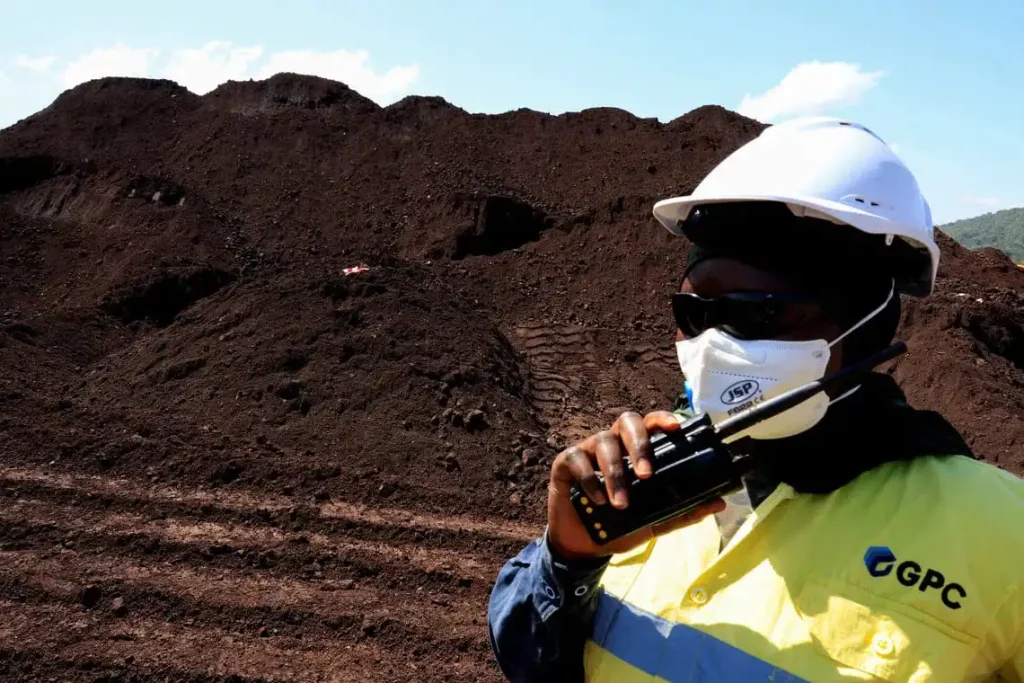
The Simandou project in Guinea has reached a pivotal milestone. The massive mining operation has finally begun exporting iron ore. This success comes after decades of stagnation, legal disputes, and logistical hurdles.
However, this industrial triumph brings a harsh economic reality. Thousands of workers now face immediate termination.
The timing is critical. National celebrations marked the official launch in November. This occurred just weeks ahead of the December 28 elections. These are the first elections since the 2021 military coup. Current leader Mamady Doumbouya is favored to win. Yet, the project’s transition to operation has triggered a drastic reduction in labor requirements.
The “Employment Cliff”
The construction of the Simandou project required a massive workforce. Contractors executed a “simultaneous spread” strategy to meet strict deadlines. Consequently, they built the mine, the 670-kilometer railway, and the port facilities at the same time.
This approach created a temporary surge in employment. Now that the infrastructure is complete, demand for labor has plummeted. Industry insiders describe this phenomenon as “falling off a cliff.”
Workforce Statistics:
- Peak Construction (2024–2025): Employment surged to over 60,000 workers.
- Operational Requirement: Fewer than 15,000 staff are needed to run the mines, railway, and port.
- Rio Tinto-Simfer Block: During construction, this joint venture employed approximately 25,000 people. The operational phase will require only about 6,000 workers.
This drastic reduction is severe. Unlike in diversified economies, Guinea offers few alternatives for these workers.
Regional Impact and Social Risks
The impact of these layoffs is already visible. Communities surrounding the project’s infrastructure are suffering. In Dantilia, a key hub near the Sierra Leone border, the job losses have been swift.
- Dantilia: Out of 10,000 workers, 8,000 have lost their jobs in the last three months. The remaining 2,000 expect termination shortly.
- Kamara: Approximately 1,500 workers have already been dismissed.
This sudden unemployment creates a volatile environment. Consequently, there are growing concerns regarding social unrest. Authorities fear community blockades of the new railway.
Tensions are exacerbated by safety issues. Trains have reportedly killed livestock. This angers local residents who rely on cattle for their livelihoods. Furthermore, accidents related to the railway construction resulted in over a dozen worker deaths between June 2023 and November 2024.
The “Simandou 2040” Vision vs. Reality
Guinea possesses the world’s largest untapped iron ore reserves. Additionally, it is the top global exporter of bauxite. Despite this, the country struggles with widespread poverty.
The government acknowledges the pain of the current layoffs. However, they point to a long-term strategy dubbed “Simandou 2040.” This 15-year plan aims to use mining revenues to fund a $200 billion economic transformation.
Economic Projections (by 2030):
- GDP Growth: The project is expected to boost Guinea’s real GDP by 26%.
- Poverty Reduction: Without specific interventions, the poverty rate is projected to decrease by only 0.6%.
The export of iron ore signifies a victory for the state and partners like Rio Tinto. However, the immediate future for thousands of workers remains uncertain. Without new opportunities, the project risks widening the inequality gap in rural areas.
READ MORE: NYC Menorah Proceeds Amid Tight Security






 Armenian Dram
 Ghana Cedi
 Gambian Dalasi
 Guinea Franc
 Nigerian Naira
 CFA Franc BEAC