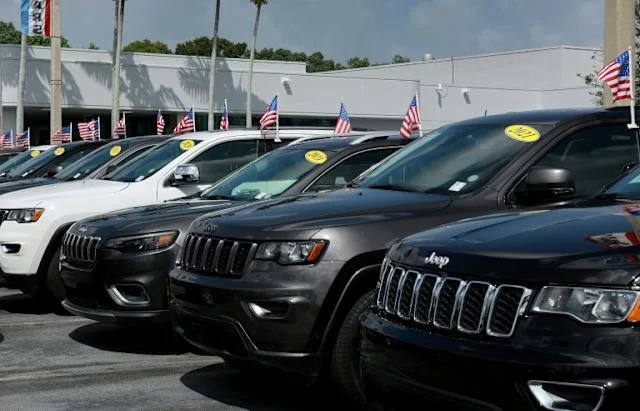
The Trump administration has officially proposed a drastic rollback of federal fuel economy standards. This move dismantles regulations finalized by the previous administration. It aims to ease the regulatory burden on automakers selling gasoline-powered cars.
On Wednesday, the National Highway Traffic Safety Administration (NHTSA) unveiled the new plan. It significantly reduces efficiency requirements for vehicles from model years 2022 through 2031.
Under the new proposal, the average fleet requirement drops to 34.5 miles per gallon by 2031. This is a sharp decrease from the previously mandated 50.4 miles per gallon.
Reversing Efficiency Standards
The regulatory overhaul involves retroactively revising down standards for 2022. Additionally, it proposes minimal annual increases of between 0.25% and 0.5% through the end of the decade.
This stands in stark contrast to the previous roadmap. That plan enforced aggressive efficiency hikes of 8% to 10% annually.
Officials estimate that the relaxed rules will lower the average upfront cost of a new vehicle by approximately $900. However, the agency acknowledges a trade-off. This reduction in purchase price will result in significantly higher fuel consumption across the nation.
By lowering the bar for past model years, the administration makes it easier for automakers to achieve compliance.
Ending the EV Credit “Windfall”
The proposal seeks to reshape the industry’s financial dynamics. Specifically, it aims to eliminate the credit trading system among automakers by 2028. It will also phase out credits previously awarded for specific fuel-saving technologies.
For years, exclusive electric vehicle (EV) manufacturers generated revenue by selling regulatory credits. Traditional automakers bought these credits when they failed to meet efficiency targets.
Regulators have now labeled this practice a “windfall” for EV makers. This signals an end to the system that subsidized electric car companies at the expense of their gas-reliant competitors.
Industry Support vs. Environmental Costs
Legacy automakers have welcomed the proposal. President Donald Trump is scheduled to promote the new plan alongside the CEOs of major manufacturers, including Ford and Stellantis.
Industry executives praised the pivot. They argue that it aligns standards with “market realities.”
- Ford: Leaders noted the changes allow for progress on emissions while protecting consumer choice and affordability.
- General Motors: Leadership warned that prior mandates could have forced plant closures due to unrealistic EV sales targets.
Conversely, environmental advocates warn that the policy shifts the financial burden to consumers. Critics argue that while car prices may dip slightly, drivers will pay hundreds of dollars more annually at the gas pump. They contend this benefits the oil industry at the expense of the public.
The previous standards were projected to reduce gasoline consumption by over 200 billion gallons through 2050. This proposal marks the latest step in the administration’s strategy to support internal combustion engines.









 Armenian Dram
 Ghana Cedi
 Gambian Dalasi
 Guinea Franc
 Nigerian Naira
 CFA Franc BEAC