The Democratic Republic of Congo (DRC) and the United States have signed a landmark agreement. The deal focuses on critical minerals. This move promises to reshape the Congo’s economy while securing vital supply chains for Western industry.
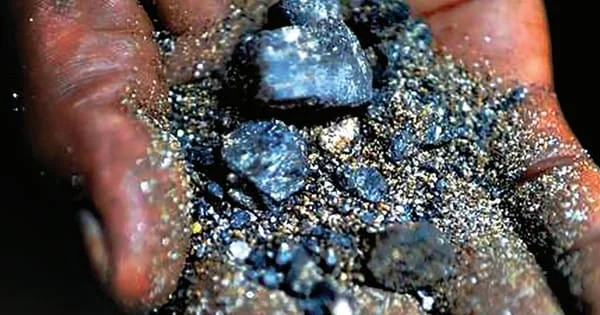
At the heart of this partnership is the creation of a “Strategic Mineral Reserve” (SMR). This mechanism guarantees a stable, long-term flow of essential resources to the United States. Specifically, it targets cobalt.
Under the terms of the accord, American companies receive preferential treatment. This applies to both the extraction and commercialization of these resources.
Geopolitical Competition over Cobalt
The DRC is the world’s leading producer of cobalt. This mineral is indispensable for manufacturing batteries for electric vehicles (EVs).
By solidifying this pact, the DRC enters the center of a resource competition. It is now positioned between the world’s two largest economies.
Analysts interpret the agreement as a strategic maneuver. It aims to counterbalance the dominance of Chinese mining operations in the region.
To achieve this, the deal offers specific incentives for American miners:
- Political support
- Fiscal benefits
- Regulatory advantages
These incentives aim to attract more US investors and buyers to the Congolese market.
The Challenge of Mineral Diplomacy
The deal has sparked debate regarding the political economy of natural resources. Experts are scrutinizing the agreement to determine the ultimate winners and losers.
The situation highlights the broader complexities of “mineral diplomacy.” The African continent boasts some of the planet’s largest reserves of copper, cobalt, and lithium. However, local governments have historically struggled with negotiation.
A lack of robust bargaining skills often leads to significant revenue losses. Furthermore, it can compromise national interests. Current analysis suggests that African nations must assert greater control. They need leverage to maximize the value of their raw materials.
Senegal’s Push for Electric Mobility
While the DRC focuses on extraction, other African nations are focusing on adoption. Senegal is an oil-producing nation. However, it is aggressively pursuing a transition to electric vehicles.
Government procurement orders and private initiatives drive this emerging market. However, the shift to sustainable mobility faces distinct challenges. Reports from Dakar indicate two major hurdles:
- High import costs.
- A lack of sufficient infrastructure.
These issues remain significant barriers to widespread EV adoption in West Africa.




 Armenian Dram
 Ghana Cedi
 Gambian Dalasi
 Guinea Franc
 Nigerian Naira
 CFA Franc BEAC