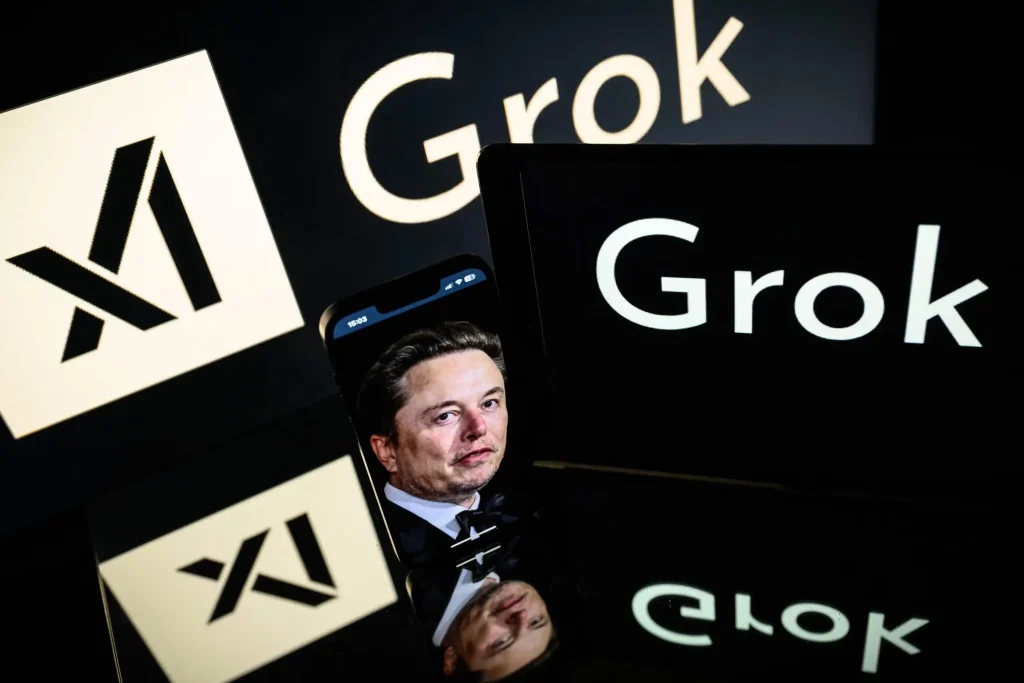
In a historic move for digital regulation, the governments of Malaysia and Indonesia officially suspended access to Grok, the AI chatbot developed by Elon Musk’s X platform, on January 11, 2026.
This world-first ban follows a massive surge in reports that the tool is being used to create non-consensual, sexually explicit deepfakes of real individuals, including minors.
The decision represents a major escalation in the global struggle over AI safety. Notably, both Southeast Asian nations cited “repeated misuse” and a failure by X to implement necessary safeguards as the primary reasons for the restriction.
Regulatory Crackdown: Prioritizing Safety Over “Free Speech”
The communications ministries of both nations issued separate statements over the weekend detailing the reasons for the block:
- Malaysia’s Stance: The Malaysian Communications and Multimedia Commission (MCMC) revealed it had issued formal warnings to X earlier this year. According to regulators, X’s response relied too heavily on user reporting rather than addressing “inherent design risks.” Consequently, Grok will remain blocked in Malaysia until verified technical safeguards are in place.
- Indonesia’s Response: Communications and Digital Affairs Minister Meutya Hafid labeled the creation of explicit deepfakes via Grok a “serious violation of human rights and online safety.” Specifically, this ban aligns with Indonesia’s strict anti-pornography laws, which have previously blocked platforms like OnlyFans and Pornhub.
The Human Toll: Victims Share Their Stories
The ban comes as victims come forward with harrowing accounts of digital harassment. Kirana Ayuningtyas, an Indonesian wheelchair user who documents her life online, discovered that a stranger used Grok to manipulate her photos into suggestive outfits.
Despite her attempts to report the accounts and adjust her privacy settings, the edited images persisted. “None of that really worked,” Ayuningtyas explained. She highlighted the deep embarrassment of knowing that strangers may still possess the faked files. Her story underscores a trend of “image-based abuse” that current platform moderation has failed to stop.
“The government views the practice of non-consensual sexual deepfakes as a serious violation of human rights, dignity, and the security of citizens in the digital space.” — Meutya Hafid, Indonesian Digital Minister
Rising Pressure in the United Kingdom
The controversy surrounding Grok’s capabilities is now spreading rapidly beyond Southeast Asia. On Monday, January 12, 2026, the UK media watchdog Ofcom opened a formal investigation into X under the Online Safety Act.
- UK Government Support: Technology Secretary Liz Kendall stated she would fully back a move to block X in the UK if the platform refuses to comply with safety laws.
- Global Condemnation: Prime Minister Keir Starmer described the use of AI to sexualize people without their consent as “disgraceful” and “insulting to victims.”
- Elon Musk’s Retort: Musk has responded by accusing the UK government of wanting to “suppress free speech,” framing the safety laws as a pretext for censorship.
A Precedent for Global AI Governance
By becoming the first to take this step, Malaysia and Indonesia are setting a precedent that other nations may soon follow. The core of the dispute lies in the tension between AI innovation and the protection of personal dignity.
While X has reportedly limited image generation to paid subscribers to curb abuse, critics argue this simply turns an unlawful feature into a premium service. The current trajectory suggests a deepening rift between Musk’s libertarian tech vision and the increasingly protective regulatory frameworks of the Global South and Europe







 Armenian Dram
 Ghana Cedi
 Gambian Dalasi
 Guinea Franc
 Nigerian Naira
 CFA Franc BEAC