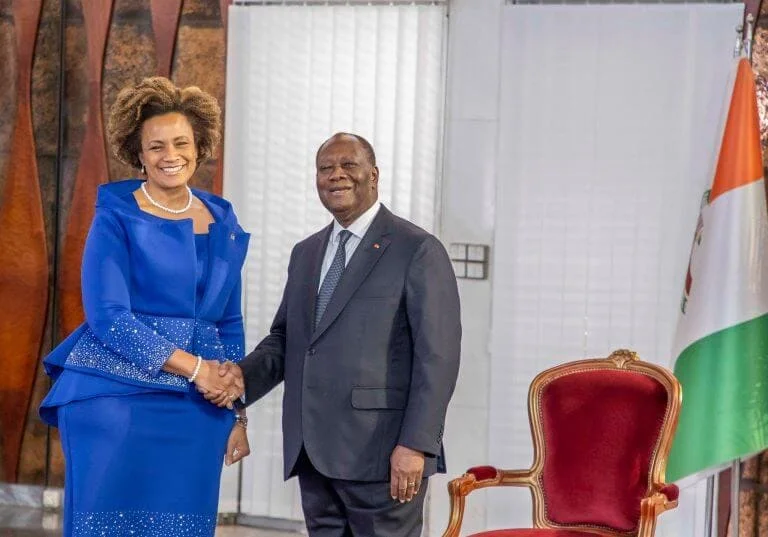
The Republic of Ivory Coast and the United States have officially signed a major health agreement worth $487 million. This strategic partnership aims to modernize the Ivorian healthcare system. It will significantly improve the nation’s ability to detect, prevent, and manage infectious diseases.
The agreement primarily targets three major health challenges: HIV/AIDS, malaria, and tuberculosis. Over the next five years, these funds will be used to upgrade disease surveillance and expand essential medical services to citizens nationwide.
Prioritizing National Ownership and Sustainability
Ivorian Prime Minister Beugre Mambe highlighted that this deal represents a shift in international health diplomacy. The agreement follows a global strategy that values national ownership of health priorities.
“This partnership encourages countries to mobilize their own domestic resources while collaborating with international allies,” Mambe stated during the signing ceremony.
A vital part of the plan involves moving away from temporary fixes. By integrating U.S.-backed programs directly into the Ivorian national system, the partners aim to create a sustainable and coordinated public health infrastructure.
Strategic Goals of the Agreement
The partnership focuses on several critical initiatives designed to transform the healthcare landscape:
- Epidemic Preparedness: Strengthening the country’s ability to respond quickly to sudden disease outbreaks.
- HIV/AIDS Management: Prioritizing medical care for the estimated 420,000 people living with the virus in Ivory Coast.
- System Integration: Merging international support with national priorities to ensure long-term stability.
- Resource Leadership: Encouraging the Ivorian government to gradually take full responsibility for its health funding.
Health Minister Pierre Demba noted that the state intends to manage these funds more independently. This ensures that external aid acts as a support tool rather than a permanent dependency.
A Vision for Long-Term Cooperation
U.S. Ambassador Jessica Davis Ba emphasized that health progress is linked to broader national development. She explained that for health improvements to last, they must be supported by investments in energy and infrastructure.
The ambassador described this $487 million investment as more than just a financial deal. It is a central pillar of a shared vision and a long-term commitment to the well-being of the Ivorian people.





 Armenian Dram
 Ghana Cedi
 Gambian Dalasi
 Guinea Franc
 Nigerian Naira
 CFA Franc BEAC