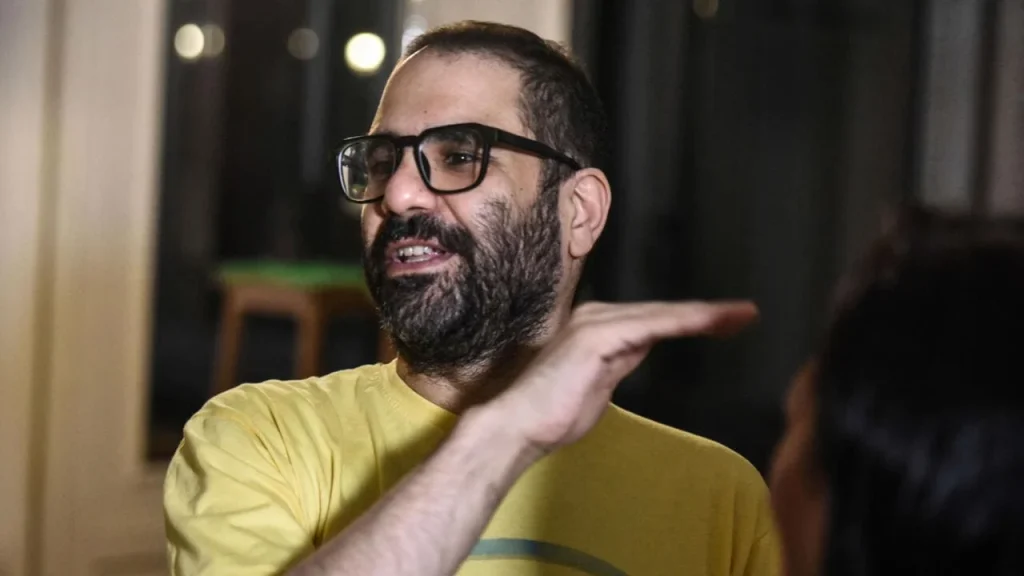
Prominent activist Alaa Abd el-Fattah issued a formal apology on Monday, December 29, 2025. He addressed “shocking and hurtful” social media posts made more than ten years ago.
The 44-year-old recently arrived in the United Kingdom after years of imprisonment in Egypt. His apology follows intense calls for his deportation by British opposition politicians.
Abd el-Fattah is a major symbol of the Egyptian pro-democracy movement. He obtained British citizenship in 2021 through his mother. While Prime Minister Keir Starmer initially celebrated his arrival last Friday, the discovery of his historic tweets has sparked a heated national debate.
The Controversy: Decades-Old Social Media Posts
The current backlash centers on posts made between 2008 and 2014. British media outlets recently circulated these messages, which reportedly included rhetoric endorsing violence against police and specific regional groups.
In a public statement, Abd el-Fattah admitted that while some posts were misinterpreted, others were unacceptable.
“I do understand how shocking and hurtful they are, and for that I unequivocally apologise,” he said. He described the messages as “expressions of a young man’s anger” fueled by the Iraq war, regional conflicts, and rising police brutality in Egypt.
Political Pressure and Calls for Deportation
The revelation of these posts has caused significant friction in British politics. Several high-profile figures have criticized the government’s vetting process:
- Deportation Demands: Nigel Farage, leader of Reform UK, has publicly called for Abd el-Fattah’s removal from the country.
- Conservative Critique: Kemi Badenoch, leader of the Conservative Party, stated the government should review his legal status.
- Government Stance: The Foreign Office condemned the tweets as “abhorrent,” stating they do not reflect United Kingdom values.
Additionally, the Board of Deputies of British Jews expressed “profound concern.” They suggested that British authorities failed to show due diligence before facilitating his move.
Background: A Life of Activism and Detention
Abd el-Fattah spent a large portion of his adult life in Egyptian prisons. He became a global icon for human rights during the administration of President Abdel Fattah al-Sisi.
His most recent five-year sentence began in December 2021 after he shared a post about the death of a fellow inmate. Despite the current controversy, his supporters argue that his work as a pro-democracy advocate remains vital as he begins his new life in Britain.
READ ALSO: Precious Metals Surge: Silver and Platinum Lead Market Gains








 Armenian Dram
 Ghana Cedi
 Gambian Dalasi
 Guinea Franc
 Nigerian Naira
 CFA Franc BEAC