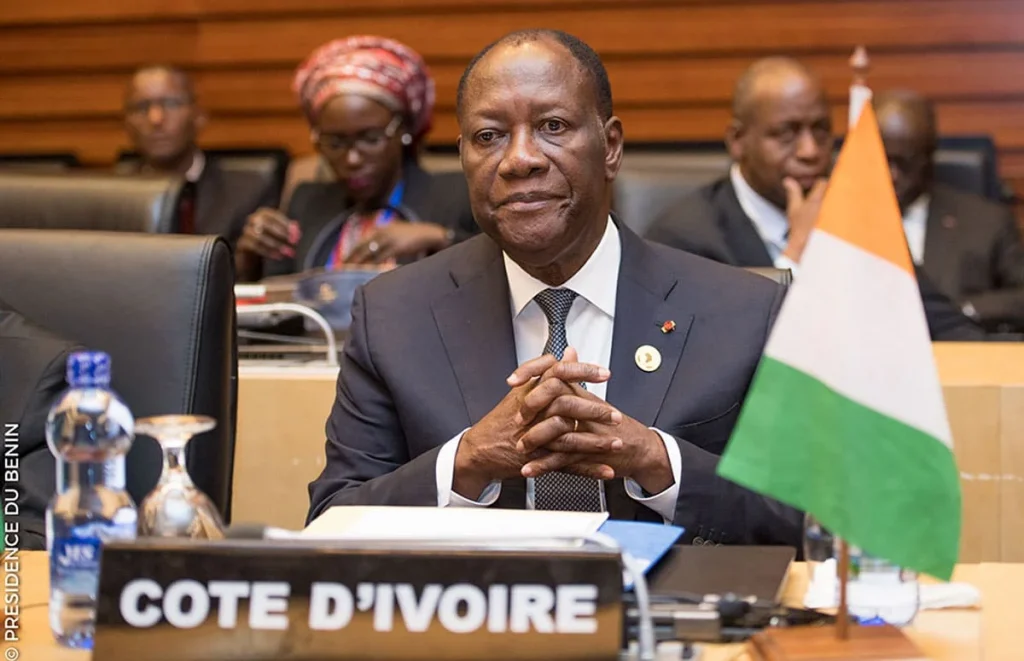
The government of Ivory Coast has formally stepped down, clearing the path for a new cabinet following the legislative elections held last month. President Alassane Ouattara accepted the resignation on Wednesday, January 7, 2026, as the nation prepares for a fresh legislative cycle.
A Strong Mandate for the Ruling Party
The reshuffle follows a dominant performance by the ruling RHDP party, which secured a landslide victory by winning more than 75 percent of parliamentary seats. This success comes on the heels of President Ouattara’s own re-election just two months ago, where he secured a fourth term with nearly 90 percent of the vote.
Stability Expected Despite the Reshuffle
While the government has technically resigned, analysts do not expect a radical overhaul of the cabinet. Most current ministers were successfully elected as lawmakers in their respective districts and are widely anticipated to be reappointed to their posts.
Until the new cabinet is officially announced expected by the end of January—the outgoing ministers will remain in place to manage day-to-day administrative affairs.
Ouattara Sets New Development Goals
In a final address to his ministers, President Ouattara emphasized that the election results reflect strong public confidence in the current administration. However, he also issued a clear directive for the upcoming term:
- Accelerate Development: A renewed focus on speeding up national infrastructure projects.
- Improve Living Standards: Direct efforts to enhance the daily lives and economic conditions of all Ivorians.
- Maintain Order: Ensuring political stability remains a top priority during the transition.
Looking Toward the Future
With the legislative session beginning, attention is now shifting toward two major political appointments:
- Speaker of the National Assembly: The election of a new leader for the parliament.
- Vice President: The possible naming of a new vice president, a role that is critical as it sits next in the line of presidential succession.
At 84 years old, President Ouattara has begun what many believe will be his final term under the current constitutional framework. As the new government takes shape, the focus will remain on the president’s legacy and the long-term stability of the West African nation.






 Armenian Dram
 Ghana Cedi
 Gambian Dalasi
 Guinea Franc
 Nigerian Naira
 CFA Franc BEAC