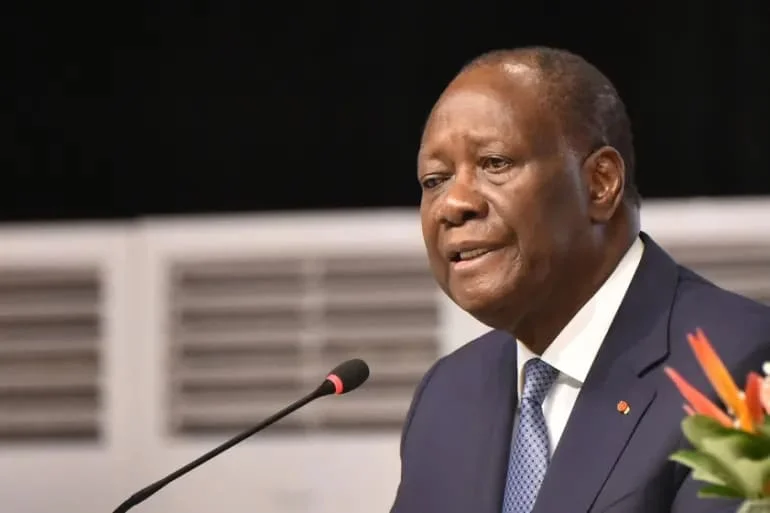
Alassane Ouattara officially began his fourth five-year term as President of the Ivory Coast on Monday morning. The inauguration ceremony followed a controversial October election. The polls were marked by low voter turnout and a strict crackdown on dissenting voices.
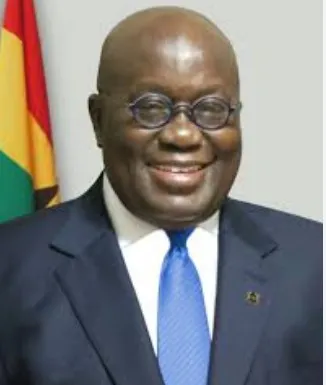
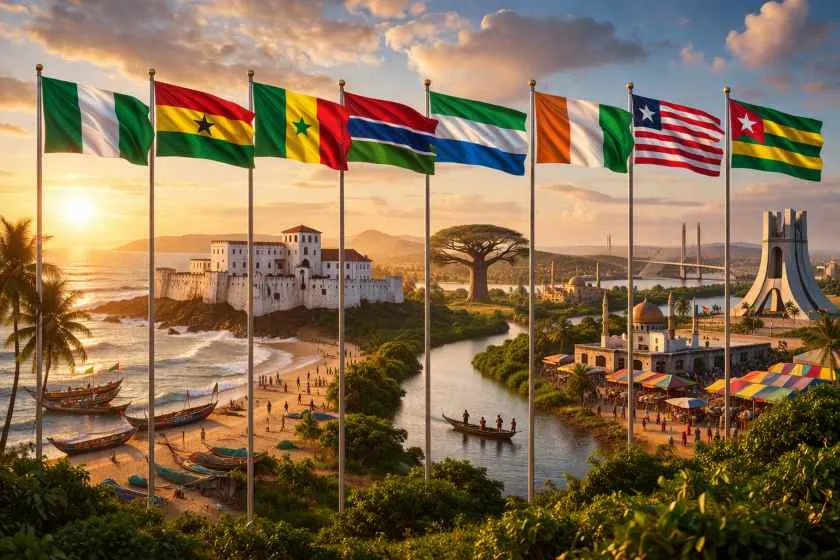
Several regional leaders attended the event. Dignitaries included heads of state from Ghana, Gabon, Senegal, Liberia, Mauritania, and Gambia.
Upon taking the oath, the 83-year-old leader highlighted his achievements. He touted the nation’s progress since his administration began in late 2010. Furthermore, he interpreted the recent election results as a clear mandate from the people.
“On Saturday, October 25, Ivorians expressed their sovereign choice,” Ouattara stated.
He also addressed security challenges in West Africa. He noted that the sub-regional environment remains fragile due to evolving terrorist threats.
Economic Growth vs. Political Tightening
Ouattara’s legacy remains deeply polarized. Supporters credit him with stabilizing the nation. The country suffered through civil war and post-election violence in the past. Since taking power, Ouattara has overseen a significant economic revival. Notably, the world’s largest cocoa producer has achieved an annual growth rate of 6% under his watch.
However, critics accuse the President of solidifying his grip on power through undemocratic means. Nominally, the Ivory Coast has a two-term limit. Yet, Ouattara oversaw a constitutional referendum in 2016. He argued that this legal change reset his terms to zero. Consequently, this allowed him to run again.
Election Controversy
The lead-up to the October election was turbulent. Officials barred prominent opposition candidates from running. This exclusion affected key figures like Tidjane Thiam and former president Laurent Gbagbo.
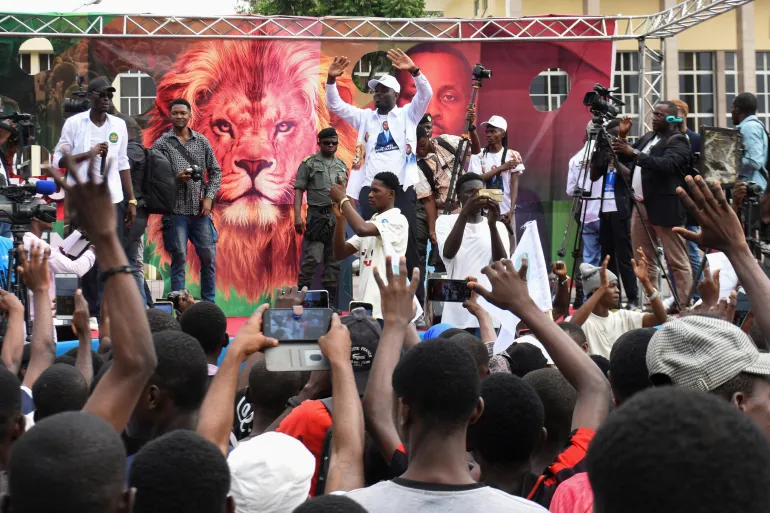
Furthermore, mass protests broke out following Ouattara’s announcement of his candidacy. Authorities subsequently banned these demonstrations. Security forces used tear gas on those who defied the ban and arrested hundreds of people.
Historical and Regional Context
Ouattara’s initial rise to the presidency involved a violent struggle. He claimed victory in a disputed 2010 election against his predecessor, Laurent Gbagbo. That conflict sparked unrest, resulting in at least 3,000 deaths. Eventually, Ouattara assumed office with the backing of French and U.N. forces.
Regionally, the administration faces friction with neighboring Sahelian nations. The junta-led governments of Mali, Niger, and Burkina Faso have sparred with Ouattara. They criticize his alleged support for France, whom they blame for the deterioration of security in the region.
ALSO READ: Kenya MPs Slam British Army Conduct as ‘Occupying Force’







 Armenian Dram
 Ghana Cedi
 Gambian Dalasi
 Guinea Franc
 Nigerian Naira
 CFA Franc BEAC