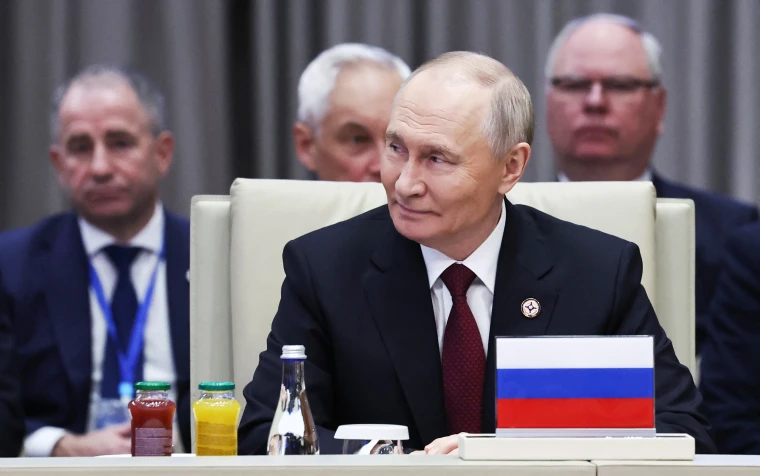
Russian President Vladimir Putin has publicly declared his administration’s readiness to rebuild bridges with European capitals. The announcement marks a significant potential pivot for the Kremlin, occurring just as fractures regarding diplomatic isolation begin to appear within the European Union.
Speaking from Moscow on Thursday, the Russian leader asserted that the door to dialogue remains open. Despite the geopolitical chasm created by the full-scale invasion of Ukraine, Putin insisted that his government is prepared for “mutually beneficial cooperation with all countries without exception.”
Strategic Timing for Diplomacy
The timing of these remarks is critical. Europe is currently navigating a complex internal debate regarding its long-term strategy toward Russia. While the bloc has largely maintained a united front characterized by strict sanctions and military aid for Kyiv, dissenting voices are growing louder.
Recently, heavyweights within the EU have suggested a shift in tactics. Both French President Emmanuel Macron and Italian Prime Minister Giorgia Meloni have advocated for re-evaluating the current diplomatic freeze. They argue that maintaining total silence between Brussels and Moscow may no longer be strategically viable.
Conditions for Engagement
Putin’s offer for renewed engagement comes with caveats. He specified that any return to “normal, constructive communication” must be grounded in a mutual respect for security concerns and national interests. This framing places the onus on European nations to acknowledge Moscow’s strategic grievances.
However, skepticism remains deeply entrenched across much of the continent.
Skepticism and Security Realities
For many Western leaders, the barrier to normalizing Putin Europe relations is the ongoing war in Ukraine. Critics argue that diplomatic overtures are meaningless without a tangible commitment to peace negotiations or a cessation of hostilities.
To date, the European response has relied on economic pressure and diplomatic containment. Consequently, many officials view this latest signal from Moscow not as a genuine de-escalation, but as a tactical maneuver designed to exploit existing divisions among EU member states.
Whether this leads to a legitimate diplomatic breakthrough or merely highlights European disunity remains to be seen.
____________________________________________________
No Unity Deal: Tchiroma Rejects Talks with Biya from Exile in Gambia






 Armenian Dram
 Ghana Cedi
 Gambian Dalasi
 Guinea Franc
 Nigerian Naira
 CFA Franc BEAC