A fragile peace along the disputed border between Thailand and Cambodia collapsed violently on Monday. Civilian evacuations are currently underway as renewed fighting has turned the frontier into a combat zone once again.
Thailand has officially confirmed the launch of airstrikes into the disputed region. According to Thai military officials, this significant escalation was a necessary defensive measure. They assert that the air operations were launched only after Cambodian units fired the first shots, triggering a rapid deterioration of security in the area.
A Fragile Truce Collapses
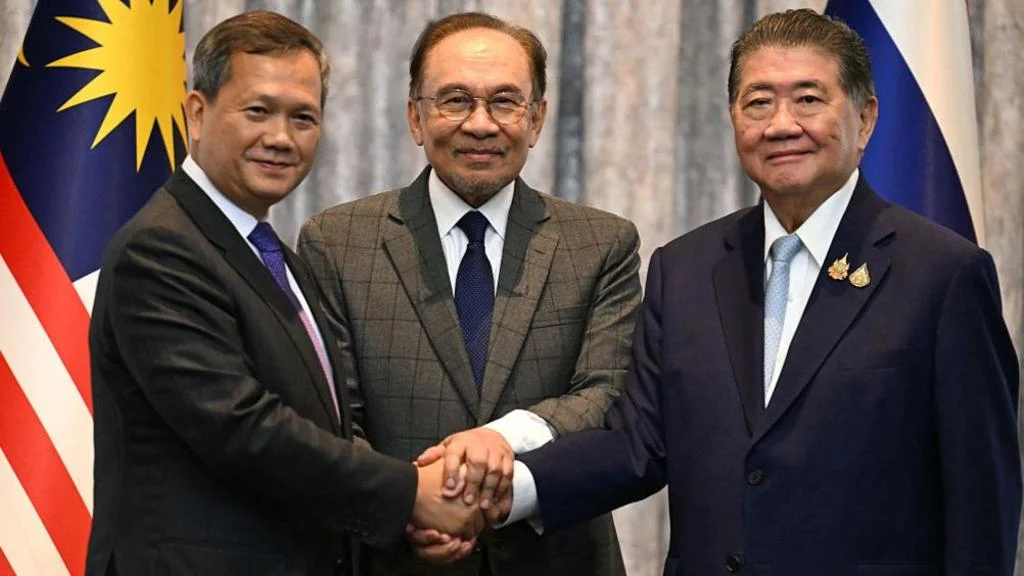
The fresh violence marks a disappointing end to the diplomatic progress made earlier this year. The fighting effectively breaks a truce that was signed in October. This agreement was not a minor arrangement; it was heavily championed by US President Donald Trump.
The October deal was designed to bring stability to the region following a particularly bloody period in July. During those summer clashes, the border conflict claimed the lives of dozens of soldiers and civilians on both sides. The involvement of the US President highlighted the severity of the situation and the international desire for peace. However, Monday’s airstrikes signal that the diplomatic efforts have failed to hold for even a full business quarter.
The Landmine Catalyst
While the airstrikes are a dramatic escalation, tensions in the region have been simmering for weeks. The relationship between the two nations began to sour significantly last month due to a specific incident involving landmines.
Thai soldiers operating in the disputed zone were injured by explosive devices buried in the ground. This incident was particularly contentious because the area was designated for cooperation. Under the terms of the peace efforts, military forces from both Thailand and Cambodia were mandated to work together on mine-clearing operations.
Instead of fostering trust through joint removal of these dangers, the landmines became a flashpoint. The injuries sustained by the Thai troops halted cooperation and replaced it with suspicion. Consequently, the shared goal of making the border safe has been abandoned in favor of renewed hostilities.
Trading Blame and Accusations
As civilians flee their homes to escape the bombardment, both national governments are trading blame for the latest flare-up. There is no consensus on who is responsible for the return to war.
Thailand remains firm in its narrative of defense. The government describes the new airstrikes as strictly limited to military positions. They argue that their actions are a direct response to what they classify as “Cambodian provocations.” By framing the strikes as targeted and responsive, Thailand is attempting to justify the use of air power in a border skirmish.
Cambodia’s Stance
In stark contrast, Cambodia vehemently denies these claims. The Cambodian government has accused Thailand of launching aggressive, unprovoked attacks. They maintain that the airstrikes are an unjustified violation of their territory.
Furthermore, Cambodia insists that its own troops have acted with restraint. According to their official statements, Cambodian forces have remained strictly within their own borders and did not instigate the firefight.
Fears of a Wider Conflict
The immediate evacuation of civilians suggests that local authorities fear a repeat of July’s bloodshed. With the peace treaty in tatters and high-level diplomatic interventions failing to secure lasting calm, the region faces an uncertain future.
The transition from joint mine-clearing patrols to airstrikes represents a complete breakdown of trust. As accusations fly from both capitals, the international community watches closely, waiting to see if this skirmish can be contained or if it will spiral into a broader war.









 Armenian Dram
 Ghana Cedi
 Gambian Dalasi
 Guinea Franc
 Nigerian Naira
 CFA Franc BEAC