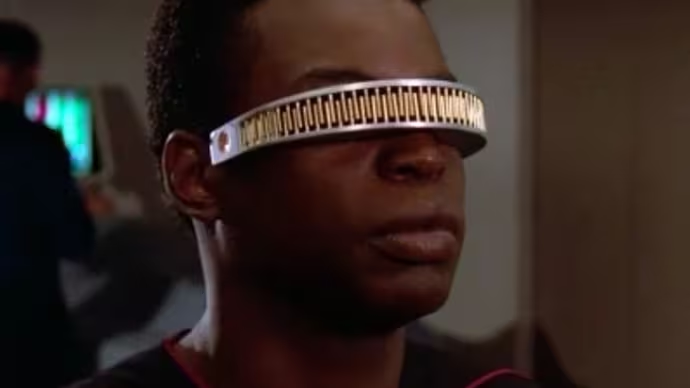
Once upon a time in Lagos, two young coders dreamed of building something that would change Africa forever.
Ezra Olubi (born November 12, 1986) and his university friend Shola Akinlade started Paystack in 2015. Ezra, the flamboyant, androgynous tech genius with bright hair and bold fashion, handled the backend magic as Chief Technology Officer. Shola ran the front. Together they turned a simple payment button into Nigeria’s favorite way to collect money online.
Banks feared them, Startups worshipped them. In 2020, the American giant Stripe wrote a cheque for more than $200 million and the two friends became the poster boys of African unicorn success. President Buhari even decorated Ezra with the national honour OON. Life looked perfect.
From Babcock University to Global Stages
The journey started quietly at Babcock University, where Ezra studied computer science alongside Shola. After graduation, he bounced between jobs, sharpening his skills, until the two friends finally launched Paystack. What began as a small Lagos startup quickly became the heartbeat of African e-commerce.
Investors cheered, developers copied their code, and by 2020 the Stripe acquisition made them legends overnight. Ezra’s colourful suits and unapologetic style turned him into one of the most recognisable faces in African tech.
The Week Everything Shattered
But fairy tales sometimes hide monsters.
This week, the story cracked wide open.
It began when a woman named Max Obae (also known as Maki), someone who had once been in a polyamorous relationship with Ezra, decided she could no longer stay silent. In a raw, emotional audio space that thousands listened to live, she painted a chilling picture: a charismatic founder who used money, charm, and calculated cruelty to control partners and staff; who allegedly slept with junior employees; who, she claimed, bragged about “breaking the feminism” out of women through humiliation.
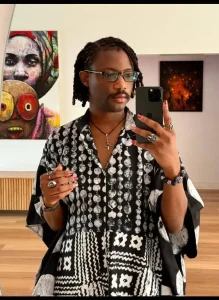
The Internet Dug Up the Past
Then the internet did what it does best: it went digging.
Within hours, screenshots of tweets Ezra had posted between 2010 and 2013 flooded timelines. The young, carefree Ezra of a decade ago had written things that made people’s stomachs turn: jokes about touching colleagues inappropriately, claims of secretly recording women in his bathroom, grotesque statements linking sex with minors to curing HIV, and a long trail of sexual depravity that read like a horror script. One tweet after another surfaced until the sheer volume was undeniable.
By Wednesday night, Ezra Olubi quietly deleted his X account and vanished from public view.
Paystack, the company he helped build into a continental champion, had no choice. On Thursday they released a short, carefully worded statement:
“Ezra Olubi has been suspended from all duties effective immediately while a formal investigation is carried out.”
Just like that, the co-founder who once stood on stages in colourful suits telling the world that African tech could be world-class was barred from the empire he co-created.
The drama is still unfolding. An independent investigation is underway. Nigeria’s tech community (once so proud of the Paystack fairy tale) is now locked in painful debates about power, accountability, and what happens when the heroes we celebrate turn out to have shadows no one saw coming.
For now, one of Africa’s brightest tech stars is suspended in darkness, waiting to see if the story ends with redemption, exile, or something in between.
This is where the Ezra Olubi chapter stands today: from national honour to national scandal in the space of a few viral days.









 Armenian Dram
 Ghana Cedi
 Gambian Dalasi
 Guinea Franc
 Nigerian Naira
 CFA Franc BEAC