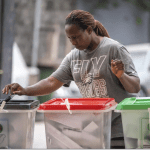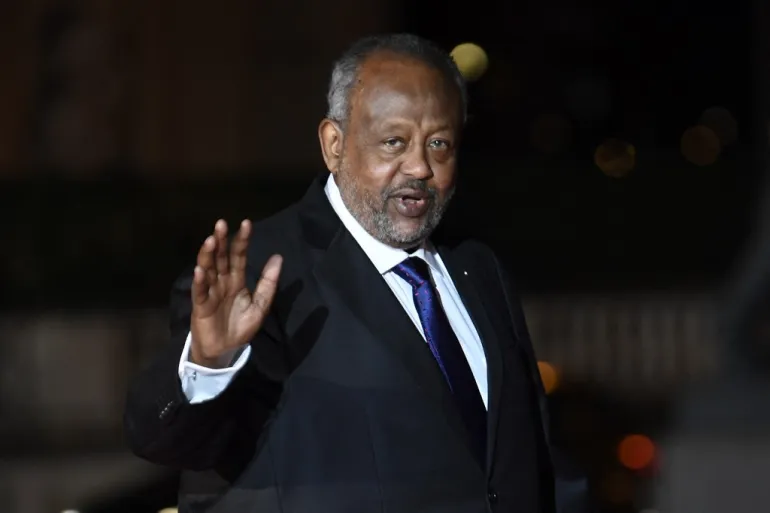
Voters in Djibouti head to the polls on Friday in a presidential election widely expected to extend the nearly three-decade rule of incumbent leader Ismail Omar Guelleh.
Guelleh, 78, who has been in power since 1999, is seeking a sixth term following constitutional changes that removed age and term limits—moves that have drawn criticism from opposition figures and rights groups.
Strategic Nation, Predictable Outcome
Despite its small population of about one million, Djibouti holds outsized geopolitical importance due to its location along the Bab al-Mandeb Strait, a critical global shipping route linking the Red Sea to the Gulf of Aden. The country hosts multiple foreign military bases, including those of the United States, France, and China, making it a key security hub in the Horn of Africa.
Analysts, however, say the outcome of the election is largely a foregone conclusion. Experts and civil society groups have described the race as lacking genuine competition, with Guelleh expected to secure another landslide victory.
Who’s Challenging Guelleh?
Guelleh’s only opponent is Mohamed Farah Samatar, a former member of the ruling party now contesting under the Unified Democratic Centre. While he has campaigned on promises of change, observers say his challenge is unlikely to significantly threaten the incumbent’s grip on power.
Election monitors from the Intergovernmental Authority on Development have been deployed across the country, with a post-election assessment expected shortly after voting concludes.
Key Issues: Democracy, Debt, and Economy
The election comes amid growing concerns over shrinking democratic freedoms in Djibouti. Critics accuse the government of suppressing dissent, limiting press freedom, and maintaining tight political control. The country ranks low in global press freedom indices, reflecting ongoing concerns about civil liberties.
Economic challenges are also in focus. While Djibouti has invested heavily in infrastructure—often financed through Chinese loans—critics warn that rising debt levels pose long-term risks. International financial institutions have flagged the country’s debt as unsustainable.
High unemployment, particularly among young people, remains another pressing issue, despite the country’s strategic advantages and steady revenue from hosting foreign military bases.
What’s at Stake?
Although the election is unlikely to produce a change in leadership, it underscores broader questions about governance, economic sustainability, and political reform in Djibouti.
With polls opening early on April 10 and closing later in the day, turnout is expected to mirror previous elections, where participation has averaged around 67 percent.
As Djibouti navigates its strategic role in global trade and regional security, the vote is set to reinforce continuity at the top—while leaving lingering concerns about democracy and economic resilience unresolved.




 Armenian Dram
 Ghana Cedi
 Gambian Dalasi
 Guinea Franc
 Nigerian Naira
 CFA Franc BEAC