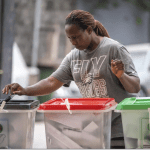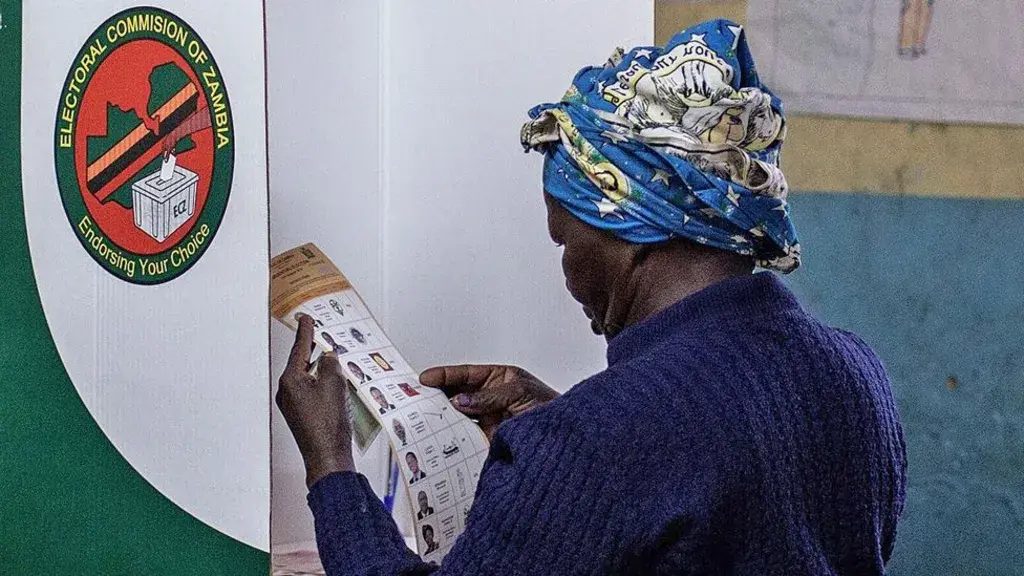
A senior government official in Zambia has raised alarm over allegations that some political parties are demanding sexual favours from aspiring female candidates in exchange for nomination ahead of the country’s August general election.
Mainga Kabika, head of the gender division in the president’s office, disclosed that multiple women have reported such incidents, describing the trend as deeply troubling and unacceptable.
“I am receiving a lot of messages… women are being asked for sexual favours in exchange for adoption as candidates,” Kabika said while addressing a conference of state prosecutors.
Calls for evidence and accountability
Kabika urged affected women to document and report incidents, stressing the importance of building evidence to hold perpetrators accountable. However, she did not name any political parties involved.
The revelations come amid growing concerns about gender inequality in Zambian politics, where women make up only about 15% of members of parliament.
‘Sextortion’ discouraging women from politics
Beauty Katebe, chair of the Non-Governmental Gender Organisations Coordinating Council, confirmed that many women have experienced what she described as “sextortion” during the candidate selection process.
She warned that such practices are discouraging female participation in politics and called for urgent reforms.
“This situation discourages many women from participating, especially as candidates,” Katebe said.
She also advocated the creation of fast-track courts to handle sexual harassment cases swiftly and stronger legal measures to deter offenders.
Cultural barriers and underrepresentation persist
Analysts say the issue reflects deep-rooted cultural and structural challenges limiting women’s political participation in Zambia.
While the government has made some progress—highlighted by the appointment of Mutale Nalumango as Vice-President—gender disparities remain significant across both political and public sectors.
Official data shows that women account for just 28% of civil service directors and only 5 out of 36 CEOs of state-owned enterprises.
Election looms amid calls for reform
The allegations surface just months before Zambia’s general election scheduled for August 13, where voters will elect a president, lawmakers, councillors, and council chairpersons.
With pressure mounting, stakeholders say tackling harassment and ensuring a safe, fair political environment for women will be critical to strengthening democratic participation in the country.





 Armenian Dram
 Ghana Cedi
 Gambian Dalasi
 Guinea Franc
 Nigerian Naira
 CFA Franc BEAC