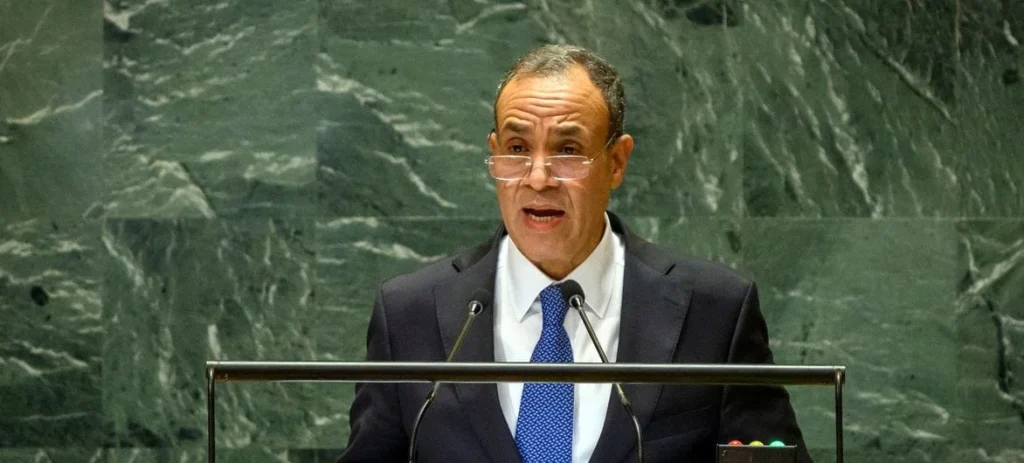
The era of small-scale aid projects is over. Elena Panova, the United Nations Resident Coordinator in Egypt, issued this stark directive regarding the future of development.
Speaking in Doha, Panova emphasized a necessary shift. She argued that Egypt’s mounting challenges require large-scale, government-led initiatives. Small, isolated projects can no longer effectively confront the current crisis.
Her primary mandate is to steer the UN team. The goal is to accelerate the sustainable development agenda. Fortunately, Egypt’s strong commitment to multilateralism allows for close collaboration with national authorities.
The Funding Crunch
Accelerating progress is difficult due to severe financial constraints.
Panova highlighted a decline in global official development assistance (ODA). She revealed a staggering $87 million funding cut to UN programs in Egypt.
This shortfall hits the most vulnerable populations hardest, specifically:
- Migrants and refugees.
- Host communities.
- Women and children.
These cuts significantly impact critical initiatives. Programs addressing gender-based violence and safe learning spaces for children are suffering. Despite this, Panova insisted that UN interventions remain vital for protecting at-risk groups.
Innovative Financing
The UN is exploring new funding models to navigate this landscape.
Panova identified debt swaps as a key solution. The UN is working jointly with the government to find innovative financing mechanisms.
“We don’t have the money. We don’t have the luxury, because of the complexity of the problems,” she said. “We need to come together, and we need to work at scale under the leadership of the government.”
Social Protection for Millions
Social protection remains a major success story.
Currently, UN-supported cash transfer programs reach more than five million households in Egypt. Panova clarified that these programs are not simple handouts. Instead, they link beneficiaries to employment, education, and health services.
“You give cash, but in addition to the cash you empower people so they can get out of that poverty trap,” she explained.
The UN is now helping the government develop a national framework. This system aims to integrate social insurance and employment pathways into a single, predictable structure.
READ MORE: Ouattara Takes Oath Amid Regional Tensions


 Armenian Dram
 Ghana Cedi
 Gambian Dalasi
 Guinea Franc
 Nigerian Naira
 CFA Franc BEAC