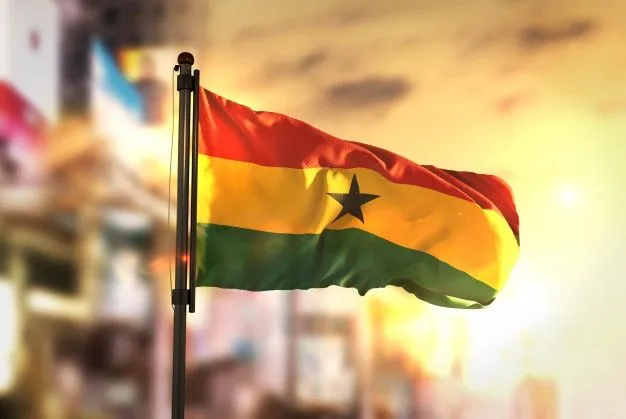
Ghana is leading a renewed diplomatic push at the United Nations to formally recognise the transatlantic slave trade as one of the gravest crimes against humanity, in a move aimed at advancing global conversations on reparations and historical justice.
The proposal, currently being canvassed among UN member states, seeks to secure broad international backing for a draft resolution that acknowledges the enduring impact of slavery on modern societies.
Call for Global Recognition
Ghana’s Permanent Representative to the UN, Samuel Yao Kumah, urged countries to support the resolution, describing it as a necessary step toward confronting one of history’s most devastating systems.
He stressed that the initiative is not about ranking atrocities but about recognising the scale and long-term consequences of the transatlantic slave trade.
“This is not about comparison or hierarchy, but about acknowledging a system that reshaped the modern world and continues to influence global inequalities,” Kumah said.
Not a Competition of Suffering
Addressing concerns from some member states, Kumah clarified that the proposal does not diminish other atrocities such as genocide, apartheid, or colonial violence—all of which remain clearly condemned under international law.
Instead, he said, the resolution focuses on historical recognition and accountability, laying the groundwork for more structured discussions on justice and reparative measures.
Renewed Push for Reparations Debate
The move is expected to strengthen calls for reparations for African nations and the global African diaspora, a debate that has gained traction in recent years.
Ghana has been at the forefront of initiatives aimed at reconnecting with the diaspora and confronting the legacy of slavery, positioning itself as a key voice in global discussions on historical justice.
A Shared Global Responsibility
Kumah emphasised that backing the resolution should not be viewed as assigning blame, but rather as a collective commitment to truth, dignity, and equality.
“Acknowledging the past is not an accusation—it is a shared responsibility to build a more just future,” he noted.
Historical Context
Between 1501 and 1867, more than 13 million Africans were forcibly taken across the Atlantic, in a system that devastated communities and entrenched inequalities that persist today.
What’s Next
The resolution is expected to be debated at the UN in the coming months, with Ghana seeking to rally support across Africa, the Caribbean, and other regions.
If adopted, it could mark a significant milestone in global recognition of the transatlantic slave trade and intensify international dialogue on reparations and historical accountability.




 Armenian Dram
 Ghana Cedi
 Gambian Dalasi
 Guinea Franc
 Nigerian Naira
 CFA Franc BEAC