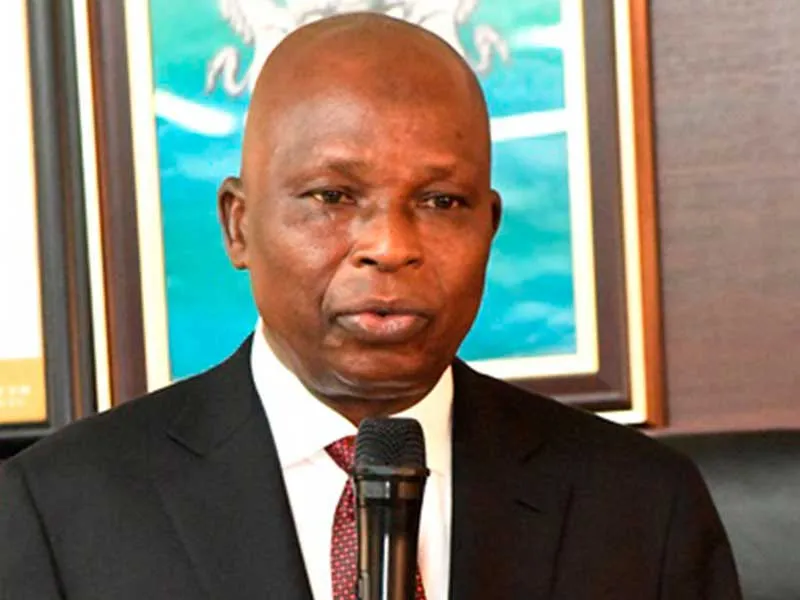
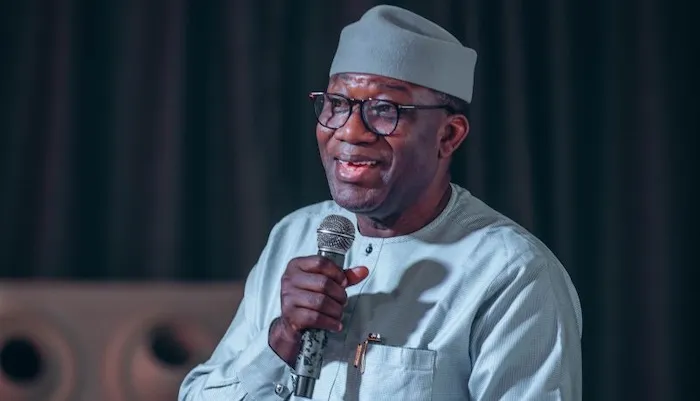
Nigeria’s Attorney-General of the Federation and Minister of Justice, Lateef Fagbemi, has raised alarm over the growing impact of money laundering and terrorist financing, describing them as serious threats to economic stability and security in Nigeria and across West Africa.
Fagbemi issued the warning on Tuesday in Abuja at a national Anti-Money Laundering and Counter Financing of Terrorism (AML/CFT) media outreach organised by the Inter-Governmental Action Group Against Money Laundering in West Africa.
Financial Crimes Undermining Economy, Security
According to the AGF, illicit financial flows are eroding institutional credibility, weakening governance, and threatening citizen safety.
“Money laundering and terrorist financing remain significant threats to the stability of our economy and that of the West African sub-region,” he said.
Fagbemi stressed that the complex and transnational nature of financial crimes requires a coordinated response involving government agencies, international partners, and the media.
ICPC Flags Risks to Democracy
The Chairman of the Independent Corrupt Practices and Other Related Offences Commission, Musa Aliyu, also warned that money laundering poses a direct threat to Nigeria’s democracy, economy, and national security.
Represented by ICPC spokesman John Odeh, Aliyu said such crimes:
- Erode public trust
- Distort markets
- Deprive citizens of development resources
He added that advances in technology and artificial intelligence have made financial crimes more sophisticated, enabling criminals to move illicit funds across borders with ease.
Tinubu Positioning Nigeria for Global Fight — Minister
Minister of Information and National Orientation, Mohammed Idris, said President Bola Tinubu is actively positioning Nigeria as a key player in the global fight against financial crimes.
Represented by Dili Ezughah, Idris highlighted recent reforms aimed at:
- Strengthening financial intelligence systems
- Improving monitoring of suspicious transactions
- Enhancing compliance with global AML/CFT standards
He noted that collaboration with institutions such as the Nigerian Financial Intelligence Unit has improved the country’s ability to detect and prevent illicit financial activities.
Media Seen as Critical Partner
Speakers at the event emphasised the crucial role of the media in combating financial crimes through accurate reporting, public awareness, and investigative journalism.
Fagbemi said journalists must help:
- Demystify complex financial crime issues
- Expose illicit activities
- Promote transparency and accountability
Similarly, Director-General of GIABA, Edwin Harris Jr, described the media as a vital channel for raising awareness and shaping public understanding of anti-money laundering efforts.
Technology: Challenge and Opportunity
While technology has enabled criminals to exploit digital platforms for money laundering and terrorist financing, authorities say it also offers powerful tools for detection and enforcement.
Aliyu noted that agencies can leverage advanced technologies to stay ahead of evolving criminal networks, rather than remain reactive.
Strengthening Regional Collaboration
The outreach programme brought together regulators, law enforcement agencies, and journalists to deepen collaboration and strengthen Nigeria’s Anti-Money Laundering and Counter-Terrorism Financing framework.
Analysts say sustained cooperation between governments, institutions, and the media will be key to tackling illicit financial flows that continue to threaten economic growth and regional stability.
As Nigeria intensifies reforms, officials maintain that a multi-stakeholder approach remains essential to winning the fight against financial crimes in West Africa.





 Armenian Dram
 Ghana Cedi
 Gambian Dalasi
 Guinea Franc
 Nigerian Naira
 CFA Franc BEAC