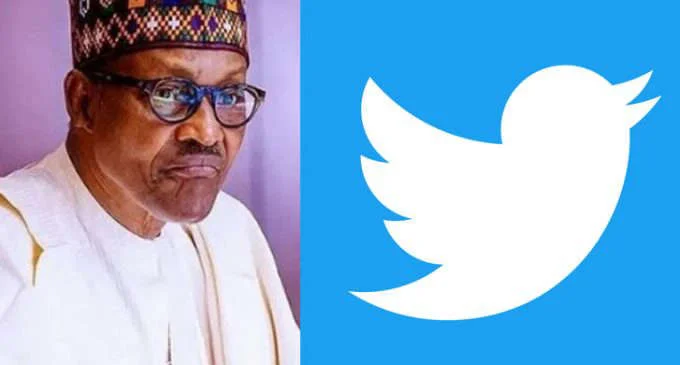
The Nigerian government’s suspension of Twitter has officially taken effect, marking a significant moment in the country’s digital landscape. The suspension, announced on June 4, 2021, by Nigeria’s Minister of Information and Culture, Lai Mohammed, was enforced shortly after, with access to the social media platform blocked across the country.
The government’s decision to suspend Twitter came after the platform deleted a tweet by President Muhammadu Buhari that was deemed to violate its policies. The tweet, which referenced the Nigerian Civil War, was considered by many to be threatening and insensitive. In response, Twitter removed the post, citing its rules against abusive behavior, which prompted the government to accuse the platform of bias and interference in Nigeria’s internal affairs.
The suspension has sparked widespread reactions both within Nigeria and internationally. Many Nigerians have turned to Virtual Private Networks (VPNs) to bypass the ban, continuing to access Twitter despite the government’s efforts. The suspension has also drawn criticism from human rights organizations and foreign governments, who argue that it violates the right to freedom of expression and could have serious implications for the country’s democracy.
In defense of the suspension, the Nigerian government has claimed that Twitter was being used to undermine Nigeria’s corporate existence and spread misinformation. Officials also stated that the platform would only be allowed to operate again if it meets certain conditions, including registering as a business entity in Nigeria and being subject to the country’s regulations.
The suspension has also ignited a broader conversation about the role of social media in Nigeria and the government’s approach to regulating online platforms. Critics argue that the move is part of a broader pattern of attempts to stifle dissent and control the narrative in the country, while supporters believe it is necessary to protect national security and public order.
As the suspension continues, many Nigerians are left navigating the challenges of restricted access to one of the world’s most popular social media platforms. The long-term effects of the suspension on Nigeria’s digital economy and global standing remain to be seen, but for now, the government’s action has set a precedent for how online expression may be managed in the country.
The Twitter suspension in Nigeria has not only affected the daily lives of its citizens but also had significant economic and political ramifications. As one of the most widely used social media platforms in Nigeria, Twitter plays a crucial role in communication, business, and activism. The platform has been a vital tool for young entrepreneurs, small businesses, and tech-savvy individuals who rely on it for marketing, customer engagement, and networking. The suspension has disrupted these activities, leading to concerns about the potential economic losses that could arise from prolonged restrictions.
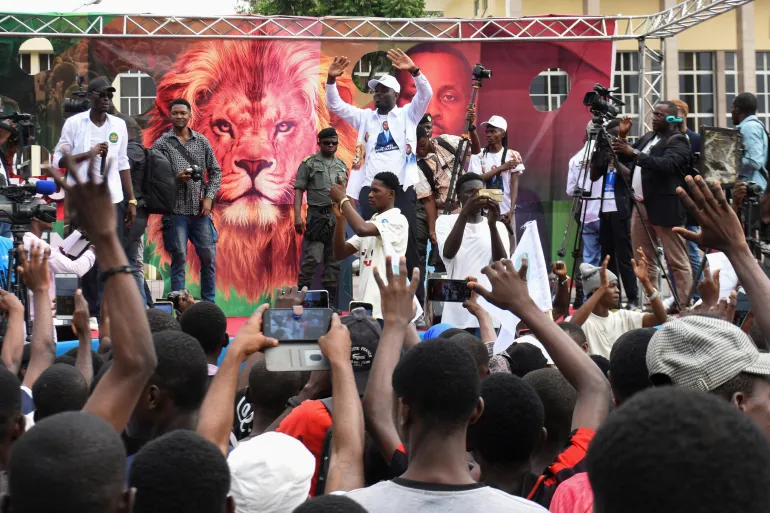
Politically, the suspension has heightened tensions between the Nigerian government and its citizens, especially among the youth, who have been vocal in their opposition to the move. The hashtag #TwitterBan has trended globally, with many Nigerians expressing their frustration and disappointment over what they see as an attempt to silence dissent and control the flow of information. This has further strained the relationship between the government and a significant portion of the population, particularly those who have used Twitter to organize and advocate for social and political change, such as during the #EndSARS protests against police brutality in 2020.
The international community has also weighed in on the issue. Various governments, including the United States, the United Kingdom, and the European Union, have condemned the suspension, urging the Nigerian government to reverse its decision. They have emphasized the importance of free expression and the need for open dialogue in a democratic society. In response, the Nigerian government has maintained its stance, asserting its sovereignty and the need to regulate social media platforms in the national interest.
Amidst the controversy, there have been ongoing negotiations between the Nigerian government and Twitter. The government has laid out conditions for lifting the suspension, which include registering Twitter as a business entity in Nigeria, paying taxes, and adhering to local content regulations. Twitter has expressed its willingness to engage in discussions and find a resolution that respects Nigeria’s laws while upholding the principles of open internet access and freedom of expression.
The suspension has also prompted broader discussions about the regulation of social media in Nigeria and across Africa. It has raised questions about the balance between national security and individual rights, the role of tech companies in global governance, and the potential for other countries to follow Nigeria’s example in restricting access to online platforms. The situation in Nigeria may set a precedent for how governments in the region handle the complexities of digital communication in the future.
As of now, the Twitter suspension remains in place, with no clear timeline for resolution. The situation continues to evolve, with ongoing debates about the implications for democracy, digital rights, and economic development in Nigeria. The outcome of this standoff will likely influence how social media platforms operate in the country and possibly across the continent, as well as how citizens engage with their governments in the digital age.


 Armenian Dram
 Ghana Cedi
 Gambian Dalasi
 Guinea Franc
 Nigerian Naira
 CFA Franc BEAC