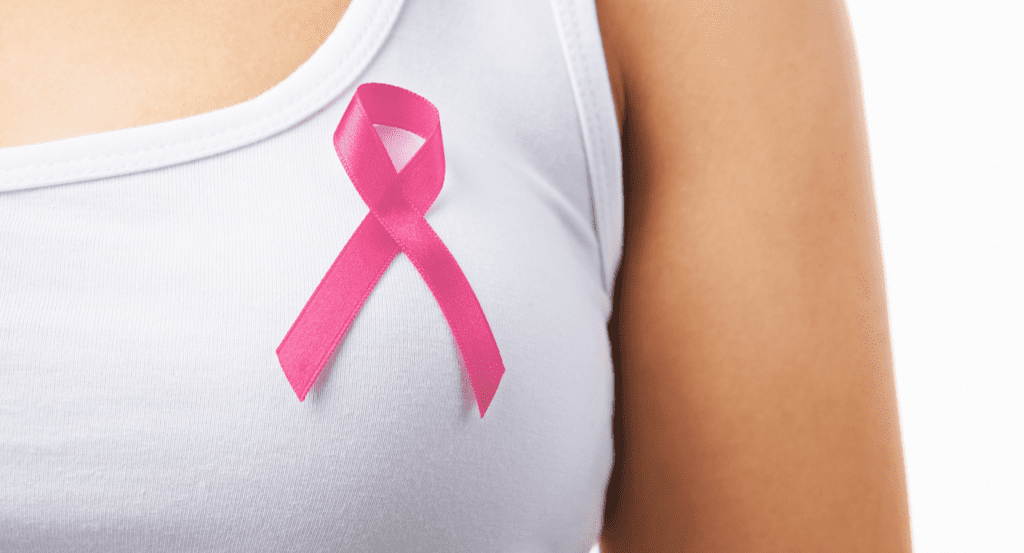
Breast cancer remains the most common cancer worldwide, and a new report warns that cases are set to rise by 38% by 2050. The World Health Organization (WHO) and other global health bodies are sounding the alarm, highlighting the disproportionate burden faced by low-income nations. With increasing diagnoses and deaths, experts are calling for urgent action to improve early detection, treatment access, and healthcare infrastructure, particularly in the world’s poorest regions.
A Global Health Crisis in the Making
According to WHO’s latest findings, breast cancer cases have surged globally, making it the most frequently diagnosed cancer. The report projects a 38% increase in cases by 2050, driven by aging populations, lifestyle changes, and environmental factors. This dramatic rise threatens to overwhelm healthcare systems, particularly in developing countries where survival rates remain low due to late-stage diagnoses and inadequate treatment facilities.
The WHO estimates that in 2020 alone, there were over 2.3 million new breast cancer cases and 685,000 deaths. While wealthier countries have seen improvements in early detection and treatment, lower-income nations continue to struggle. In these regions, many women are diagnosed at later stages when treatment is less effective, leading to higher mortality rates.
Why Breast Cancer is Deadlier in Poorer Countries
While breast cancer survival rates have improved significantly in high-income nations, the same cannot be said for poorer countries. The disparity is primarily due to:
- Late Diagnosis: Many women in low-income nations seek medical attention only when symptoms are severe, reducing their chances of survival. A lack of routine screenings and awareness further contributes to late detection.
- Limited Access to Treatment: Advanced treatments such as targeted therapies, radiation, and chemotherapy remain out of reach for many due to cost and availability.
- Weak Healthcare Infrastructure: Many developing nations lack specialized cancer centers, trained oncologists, and essential medical equipment.
- Cultural and Socioeconomic Barriers: In some regions, stigma and misinformation about breast cancer discourage women from seeking medical help.
According to the study published in Nature Medicine, wealthier nations have breast cancer survival rates above 85%, while survival rates in low-income countries remain below 40%. This stark contrast underscores the urgent need for investment in early detection programs and better treatment options.
Projected 38% Increase in Cases by 2050
A report by WHO and the International Agency for Research on Cancer (IARC) forecasts a 38% increase in breast cancer cases by 2050, with the total number of diagnoses expected to exceed 3.2 million annually. The rise is attributed to factors such as:
- Aging Populations: As global life expectancy increases, more people are at risk of developing cancer.
- Lifestyle Changes: Urbanization, obesity, decreased physical activity, and increased alcohol consumption contribute to rising breast cancer rates.
- Environmental Factors: Pollution, exposure to harmful chemicals, and dietary changes also play a role in the growing number of cases.
The increase in cases will put further strain on healthcare systems, particularly in resource-limited settings where cancer care is already inadequate. Without urgent intervention, millions of lives could be lost due to preventable factors.
Urgent Need for Global Action
Health experts are calling for a global commitment to improving breast cancer detection and treatment, particularly in developing nations. WHO has outlined key strategies to reduce breast cancer mortality rates, including:
- Expanding Early Detection Programs: Encouraging routine mammograms and self-examinations can help detect cancer at earlier, more treatable stages.
- Making Treatment More Accessible: Governments and global organizations must work to reduce the cost of essential cancer treatments, including chemotherapy and radiation therapy.
- Investing in Healthcare Infrastructure: Developing countries need better-equipped hospitals, trained oncologists, and comprehensive cancer care programs.
- Raising Public Awareness: Educational campaigns can help dispel myths and encourage women to seek medical care without stigma or fear.
Dr. Bente Mikkelsen, WHO’s Director of Noncommunicable Diseases, emphasized the need for international collaboration, stating, “No woman should die from breast cancer due to lack of access to care. We must act now to bridge the gap between high- and low-income countries.”
The Future of Breast Cancer Treatment
Medical advancements continue to improve breast cancer treatment outcomes. New therapies, including immunotherapy and personalized medicine, show promise in increasing survival rates. However, these treatments remain largely unavailable to patients in poorer regions.
Efforts are underway to make cancer care more affordable and accessible. Organizations like the Union for International Cancer Control (UICC) and WHO are working with governments to integrate cancer care into national healthcare systems. Several African and Asian nations are now implementing national cancer control plans aimed at improving early detection and treatment.
The alarming rise in breast cancer cases worldwide, particularly in low-income countries, highlights the urgent need for global intervention. With cases expected to increase by 38% by 2050, addressing disparities in early detection and treatment is critical to saving lives.
Governments, health organizations, and researchers must work together to ensure that all women—regardless of their economic status—have access to timely and effective breast cancer care. The coming years will be crucial in shaping how the world responds to this growing public health crisis.






 Armenian Dram
 Ghana Cedi
 Gambian Dalasi
 Guinea Franc
 Nigerian Naira
 CFA Franc BEAC