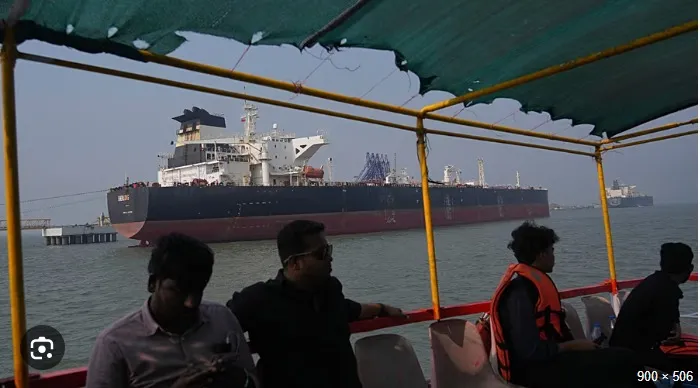
Global oil prices may have stabilised in recent days, but motorists around the world are still grappling with rising fuel costs as supply chain disruptions continue to ripple through energy markets.
At petrol stations, the impact is being sharply felt. In the United States, average fuel prices have climbed by about 30 percent since last month’s escalation of conflict involving the US, Israel, and Iran, with petrol now averaging around $4 per gallon. Diesel prices have surged even higher, rising by nearly 40 percent to about $5 per gallon.
The spike in diesel costs—critical for trucks, rail transport, and supply chains—is expected to drive up the prices of goods and services globally, adding pressure to already strained economies.
Despite the surge at the pump, crude oil prices have shown signs of stabilising after US President Donald Trump signalled a willingness to de-escalate tensions, even as uncertainty lingers over the strategic Strait of Hormuz.
Analysts warn, however, that the situation remains fragile. Any escalation, including a potential US ground operation or broader Iranian retaliation, could send oil prices soaring to levels not seen since 2008, when Brent crude approached $150 per barrel.
At the centre of the crisis is the Strait of Hormuz, a critical maritime corridor through which roughly one-fifth of the world’s oil supply passes. Disruptions in the channel have forced shipping companies to reroute vessels, tightening global supply and driving up fuel costs.
US officials say they have “options available” to respond after Iran reportedly imposed restrictions on vessels transiting the strait, further complicating global energy flows.
The situation underscores the vulnerability of global oil markets to geopolitical shocks, with consumers likely to continue bearing the brunt of elevated fuel prices despite temporary price stability in crude markets.








 Armenian Dram
 Ghana Cedi
 Gambian Dalasi
 Guinea Franc
 Nigerian Naira
 CFA Franc BEAC