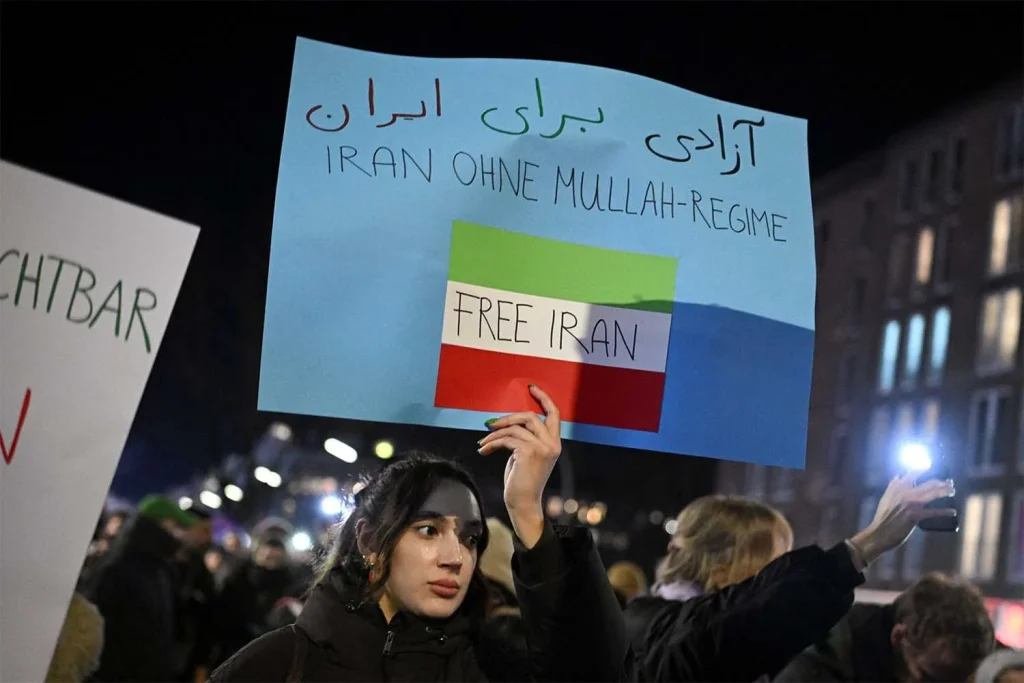
On Monday, January 19, 2026, a senior member of the Iranian parliament indicated that the nationwide internet blackout could be lifted within days. This follows a period of extreme civil unrest the most severe since the 1979 revolution—during which authorities moved to suppress protests by cutting off global communications.
Ebrahim Azizi, head of the National Security and Foreign Policy Committee, stated that top security agencies will determine when to restore service. He noted that connectivity will resume “as soon as security conditions are appropriate.”
The Scale of the Crisis: Casualties and Arrests
The recent wave of anti-government protests, which began in late December, was met with a massive security response. While the streets have reportedly remained quiet for the past week, the human cost of the conflict has been staggering.
Reported Casualties
According to an anonymous Iranian official and rights groups, the violence reached unprecedented levels compared to prior unrest in 2009 or 2022.
| Group | Reported Deaths |
| Total Confirmed Fatalities | Over 5,000 |
| Security Force Members | 500 |
| Primary Conflict Zones | Ethnic Kurdish regions (Northwest) |
Injuries and Tactics
Human rights organizations, including HRANA, report that many protesters suffered life-altering injuries.
- Pellet Fire: Frequent use of pellet rounds resulted in numerous cases of blindness.
- Internal Injuries: Reports indicate widespread internal bleeding and organ damage caused by security tactics.
State Media Breach and Continuing Arrests
Despite efforts to maintain control, the Iranian government faced a significant security breach on Sunday. State television was reportedly hacked, briefly broadcasting speeches by U.S. President Donald Trump and Reza Pahlavi, the exiled son of Iran’s last shah. The broadcast urged the public to continue the revolt against the clerical leadership.
Meanwhile, the crackdown continues on the ground. State media confirmed that arrests are ongoing in several major regions:
- Tehran: The capital remains under heavy surveillance.
- Kerman: Significant detentions reported in the south.
- Semnan: Arrests occurring just east of the capital.
Authorities claim those detained include “agents of foreign terrorist groups,” while opposition groups maintain that the state opened fire on peaceful demonstrators.
The “Filternet” and Digital Monitoring
The internet monitoring group Netblocks reported on Monday that while connectivity remains minimal, there are signs of a “filternet” being tested. This managed restriction allows some messages to pass through, suggesting that authorities are moving toward a more heavily censored and filtered version of the internet rather than a full restoration of global access.
International Consequences
The scale of the violence drew international attention, notably from the United States. Former military threats from President Trump led to intensive diplomacy from Gulf Arab states, who fear a wider regional escalation. Iran’s ambassador to Saudi Arabia, Alireza Enayati, warned on Monday that any ignition of conflict would have “consequences for the entire region.”




 Armenian Dram
 Ghana Cedi
 Gambian Dalasi
 Guinea Franc
 Nigerian Naira
 CFA Franc BEAC