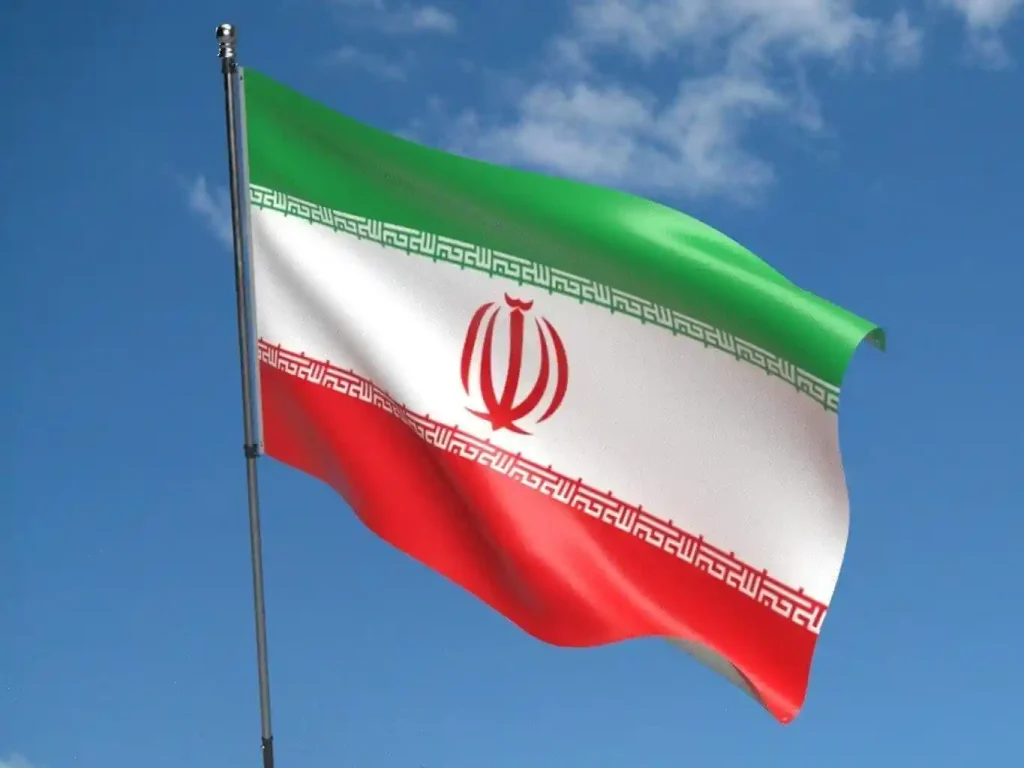
Iran has entered a state of near-total digital isolation. On Friday, January 9, 2026, the nationwide internet shutdown officially crossed the 24-hour mark.
According to the network monitor NetBlocks, internet connectivity has plummeted to just 1% of its usual levels.
This blackout is not a technical error. Instead, observers describe it as a deliberate tactic to suppress communication during widespread civil unrest.
Casualties and Arrests Continue to Rise
The situation on the ground is becoming increasingly dangerous. Human rights activists report that the death toll has jumped to at least 62 people.
Furthermore, security forces have arrested over 2,300 protesters since the demonstrations began.
In Tehran, the medical crisis is worsening. Reports indicate that hospitals are treating hundreds of patients for severe injuries. Many of these injuries were caused by pellet guns used during the crackdown.
Warnings of a Humanitarian Crisis
Nobel Peace Prize winner Shirin Ebadi issued a chilling warning from exile. She stated that the communications blackout might be a cover for a larger massacre.
“This shutdown is a calculated tactic,” Ebadi shared on her official Telegram account. She urged the global community to stay alert, even as information from inside the country becomes scarce.
International Leaders React
The domestic crisis is now drawing intense international attention. Reza Pahlavi, the son of the late Shah, has called on U.S. President Donald Trump to prepare for intervention. Pahlavi emphasized that the Iranian people need immediate support.
In contrast, Iran’s Supreme Leader Ayatollah Ali Khamenei has ordered a stricter crackdown.
He challenged foreign promises of support for protesters, labeling the demonstrators as “terrorist agents” funded by the U.S. and Israel.
The Current Outlook
As the internet remains offline, the risk of unmonitored violence grows. Activists continue to call for protests despite the lack of digital tools.
The world now watches a country in silence, waiting to see how the government responds to the growing calls for reform




 Armenian Dram
 Ghana Cedi
 Gambian Dalasi
 Guinea Franc
 Nigerian Naira
 CFA Franc BEAC