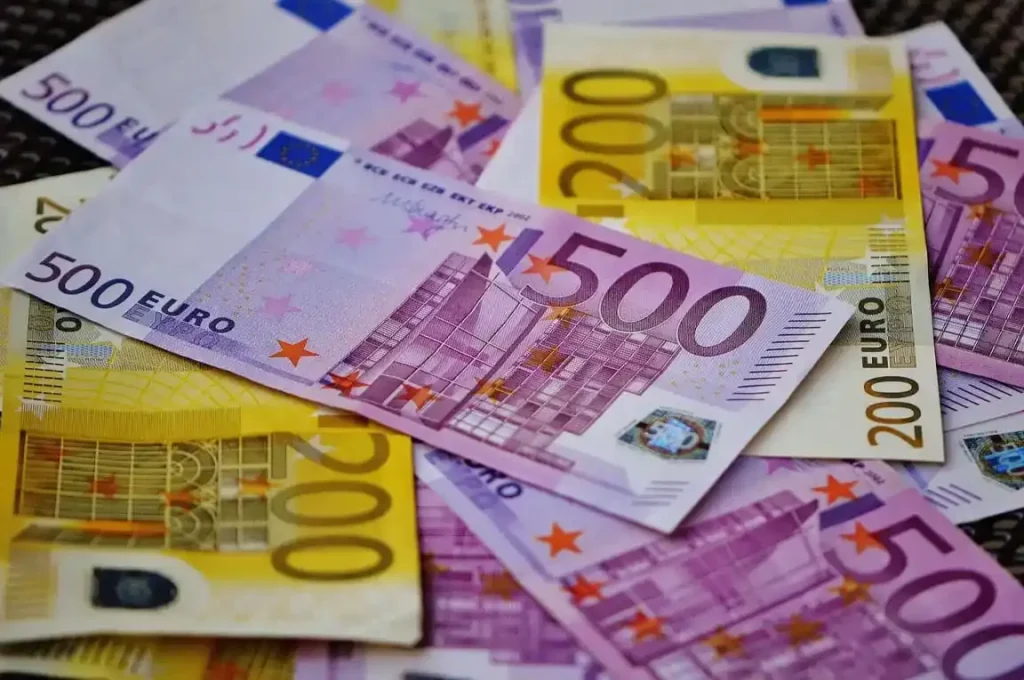
Europe finds itself at a financial crossroads. While the bloc aims to expand the euro’s international influence, the currency’s recent strength is causing significant domestic anxiety. As the U.S. dollar enters a period of potential decline, the Eurozone is grappling with the consequences of its own success.
The $1.20 Milestone and the ECB’s Reaction
This week, the euro-to-dollar exchange rate briefly climbed above $1.20, a peak not seen in four years. While this surge bolsters investment portfolios based in euros, it has triggered alarm bells within the European Central Bank (ECB) and among industrial exporters.
Key concerns for the ECB include:
- Export Pressure: A stronger euro makes European goods more expensive abroad, threatening the industrial sector.
- Inflation Targets: An aggressive currency surge could cause inflation to dip below the ECB’s 2% target.
- Policy Shifts: ECB officials, including Martin Kocher and François Villeroy de Galhau, have hinted at potential interventions or interest rate adjustments to counter “excessive” appreciation.
A Broad Surge in Euro Strength
The euro’s rise isn’t limited to its relationship with the dollar. Since the return of Donald Trump to the White House a year ago, the ECB’s trade-weighted index has reached record highs.
| Currency Pair | Euro Appreciation (1 Year) |
| USD (US Dollar) | +16% |
| JPY (Japanese Yen) | +10% |
| CNY (Chinese Yuan) | +10% |
| Broad Index | +7% |
The Strategic “Global Euro” Vision
ECB President Christine Lagarde has actively promoted the concept of a “global euro.” The goal is to establish the currency as a primary reserve asset to fund Europe’s massive strategic needs:
- Defense spending
- Innovative technology
- Green-energy transitions
However, achieving reserve status often leads to currency appreciation, creating a paradox where the currency becomes too expensive for the very trade-dependent economies it serves. Currently, the euro remains a distant second to the dollar in global usage and central bank reserves.
The Transatlantic Mirror Image
Washington is facing the opposite side of this dilemma. The Trump administration appears willing to let the dollar slide to boost reindustrialization and trade balance. However, this strategy carries its own risks:
- Inflationary Pressure: A rapidly depreciating dollar could drive prices higher at home.
- Debt Demand: Strategists at Citi suggest a weak dollar might reduce foreign demand for U.S. Treasuries, particularly at the short end of the debt market.
- Investment Shifts: While foreign equity flows into the U.S. remain strong, there are signs that international investors are becoming more cautious about U.S. debt.
- The Core Conflict: Both Washington and Brussels are performing a delicate dance. They want their currencies to hold “strong” global status and wide usage, yet they fear the high market valuations that typically follow such prestige.
Final Analysis
The path to “strategic autonomy” requires trillions of euros. A strong currency attracts the necessary capital but hampers the export-led growth needed to sustain the economy. As U.S. Treasury Secretary Scott Bessent attempts to steady the dollar’s “policy” versus its “value,” Europe must decide if it is truly ready for the costs of a global currency.









 Armenian Dram
 Ghana Cedi
 Gambian Dalasi
 Guinea Franc
 Nigerian Naira
 CFA Franc BEAC