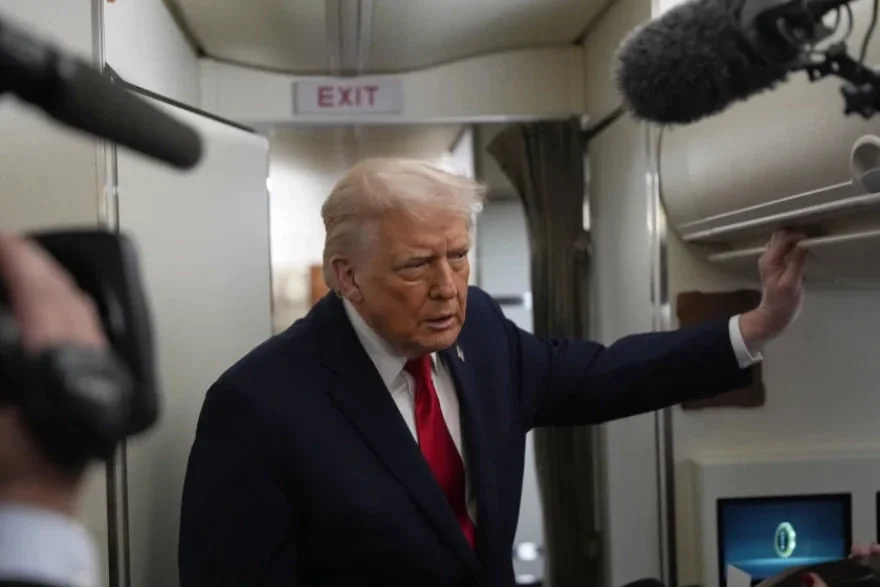
The U.S. Department of Health and Human Services (HHS) announced a significant policy shift on Tuesday, January 6, 2026. The administration is freezing over $10 billion in federal funding designated for childcare and family assistance. The move targets five states: California, Colorado, Illinois, Minnesota, and New York—all of which are led by Democratic governors.
Breaking Down the Frozen Funds
The HHS clarified that the restrictions apply to three major federal programs. Access to these resources will remain blocked pending a formal review of “fraud and misuse” concerns.
The frozen amounts include:
- Temporary Assistance for Needy Families (TANF): $7.35 billion
- Child Care and Development Fund: $2.4 billion
- Social Services Block Grant: $869 million
Motives and Political Tension
The Trump administration has frequently threatened to slash federal funding over various issues. These range from diversity initiatives to university protests and allegations of state-level mismanagement. Consequently, this latest freeze is being viewed by many as a continuation of that pressure campaign.
In particular, the administration has recently targeted Minnesota. Officials allege widespread fraud within the state’s welfare system, specifically pointing toward immigrant communities. This has led to sharp verbal exchanges between the White House and Minnesota leaders, including Governor Tim Walz and Representative Ilhan Omar.
Governors React to “Vindictive” Cuts
Democratic leaders were quick to condemn the move, accusing the administration of using vulnerable citizens as leverage in a political feud.
- Governor Kathy Hochul (New York): Labeled the step “vindictive” and “cruel,” stating that children should not be used as “political pawns.”
- Governor JB Pritzker (Illinois): Echoed these sentiments, calling the funding freeze “wrong and cruel.”
- Governor Gavin Newsom (California): His office defended the state’s record, noting that California has successfully blocked over $125 billion in fraudulent activity since Newsom took office.
Accusations of Political Targeting
Rights advocates argue that the focus on “fraud investigations” is merely a pretext. They suggest the administration is using these reviews to target political rivals and immigrant populations.
As the review process begins, the five affected states face immediate uncertainty regarding how they will continue to fund essential social services for their residents.






 Armenian Dram
 Ghana Cedi
 Gambian Dalasi
 Guinea Franc
 Nigerian Naira
 CFA Franc BEAC