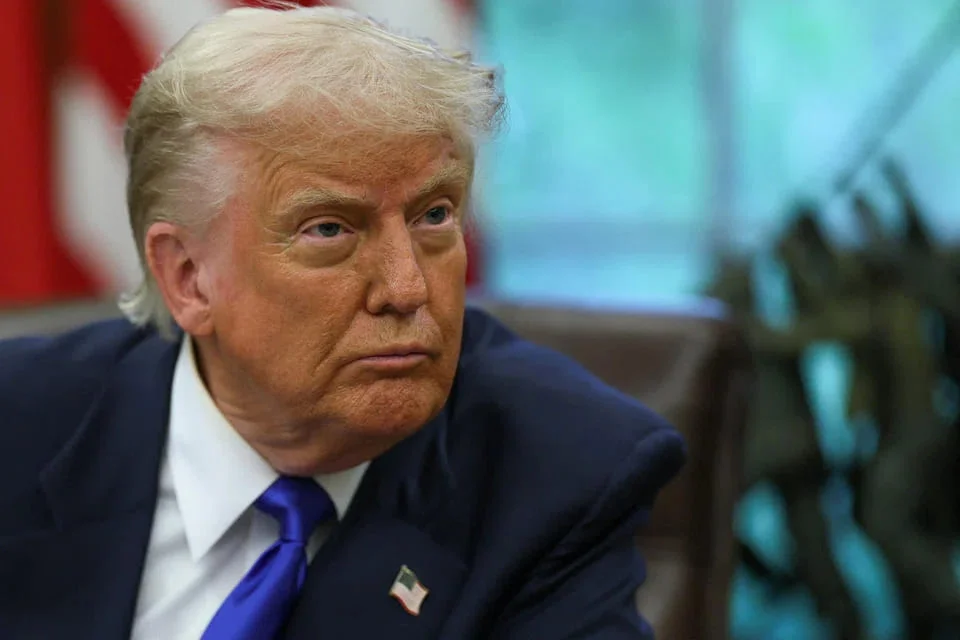
President Donald Trump officially inaugurated his “Board of Peace” on Thursday during the World Economic Forum. While the body was initially created to stabilize the Israel-Hamas ceasefire, the President now envisions a much broader global mandate for the organization.
The launch has sparked significant debate among diplomats, as many fear the board is designed to bypass or eventually replace the United Nations. Despite these concerns, Trump remained defiant during the unveiling, announcing that 59 countries have already joined the initiative.
A Selective Membership
The Board of Peace has seen strong interest from several Middle Eastern powers, including Turkey, Egypt, Saudi Arabia, and Qatar. However, the membership list has drawn criticism from traditional Western allies.
Key observations regarding the board’s makeup:
- Democracy Gap: Analysts note that few of the signatory nations are established democracies.
- Allied Skepticism: Many of Washington’s long-term partners have declined to join, citing concerns over the board’s vague mandate.
- Concentrated Power: Trump described the participating leaders, which include representatives from Hungary, Azerbaijan, and Paraguay, as the “most powerful people in the world.”
Challenging the United Nations
The most controversial aspect of the board is its relationship with the UN. Trump has previously suggested that his new body could make the United Nations obsolete.
However, his tone in Davos was more diplomatic. He claimed the Board of Peace would work “in conjunction” with the UN, even as he criticized international organizations for “wasting time on things that never happen.”
The Gaza Crisis Persists
Despite the board’s primary focus on the October truce and hostage deal, the situation on the ground in Gaza remains dire. Over two million residents continue to endure a severe humanitarian crisis following more than two years of conflict.
While large-scale combat has subsided since the ceasefire, reports indicate that localized violence is still a daily occurrence. The Board of Peace—chaired by Trump himself—now faces the challenge of turning its diplomatic framework into tangible relief for the enclave.



 Armenian Dram
 Ghana Cedi
 Gambian Dalasi
 Guinea Franc
 Nigerian Naira
 CFA Franc BEAC