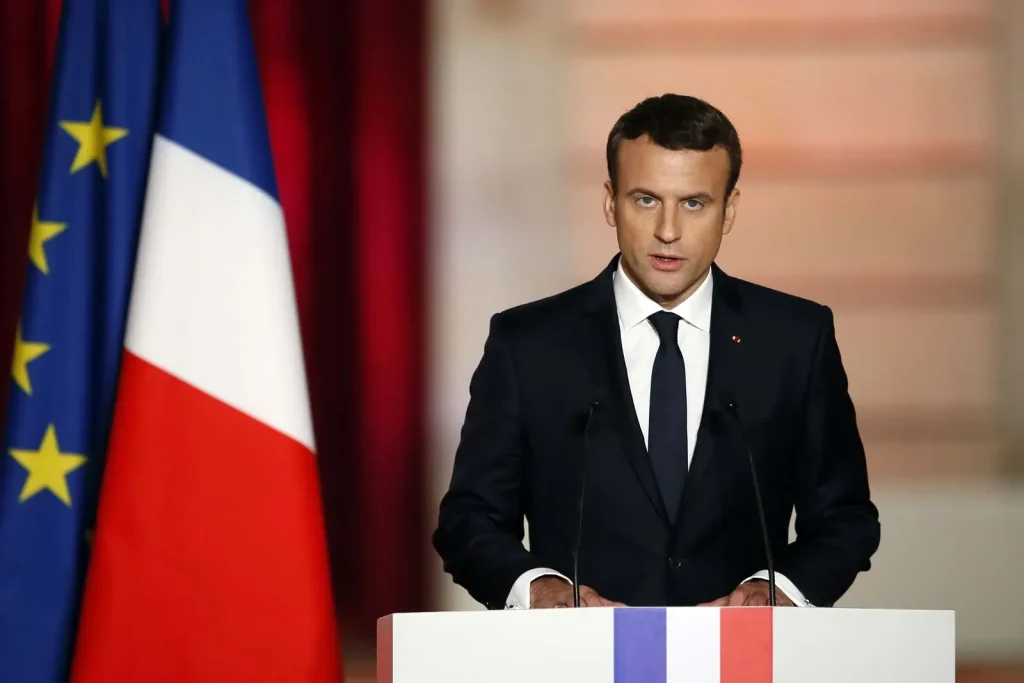
On a crisp autumn morning, French President Emmanuel Macron was seen strolling alone along the Seine River, flanked only by distant security guards.
The poignant image, broadcast across French media, echoed the solitude of past leaders in crisis, as Macron confronts a rapidly unraveling political landscape following the resignation of his latest prime minister, Sébastien Lecornu.
Rapid Resignation Sparks Instability
Lecornu stepped down just hours after announcing his cabinet, unable to maintain it for even a day. His exit, marking Macron’s fifth premier in two years, has deepened France’s governance woes.
In response, Macron urged Lecornu to make a final attempt at negotiating with opposition groups, signaling his reluctance to resort to drastic measures like new elections or stepping down himself.
Opposition Seizes the Moment
The collapse has emboldened Macron’s rivals. Far-right leader Marine Le Pen demanded an immediate dissolution of parliament, arguing that fresh elections are the only path forward.
Her National Rally party, leading in public opinion, stands to gain from the chaos.
Meanwhile, left-wing factions and even some conservatives, like Cannes mayor David Lisnard, have called for Macron’s resignation to resolve the deadlock.
A recent survey revealed that nearly half of French citizens hold Macron responsible for the crisis, with 51% believing his departure could break the impasse.
Roots of the Crisis
The turmoil traces back to Macron’s risky decision last year to call snap legislative elections, resulting in a fractured parliament split among opposing factions.
His strategy of appointing premiers from a centrist-conservative coalition has faltered, with successive governments unable to pass critical budget reforms amid France’s ballooning deficit.
The latest blow came when prominent conservative Bruno Retailleau publicly criticized Lecornu’s cabinet selections, fracturing the fragile alliance Macron has relied on to sustain his economic agenda, including tax reductions and pension changes.
Narrow Options for Macron
Macron hopes Lecornu can salvage talks with conservatives to stabilize the government. However, pivoting to a left-leaning premier is complicated by the Socialists’ demands for policies like a wealth tax, which clash with other parties’ priorities.
With his presidency set to run until 2027, Macron has repeatedly vowed to stay in office, but mounting pressure and limited paths forward raise questions about his tenure’s future.
A Nation at a Crossroads
As calls for elections or resignation grow louder, Macron faces a defining moment. The political gridlock, coupled with economic strain, tests his leadership and France’s stability.
Whether he can navigate this storm or follow in the footsteps of past leaders who exited under pressure remains uncertain.





 Armenian Dram
 Ghana Cedi
 Gambian Dalasi
 Guinea Franc
 Nigerian Naira
 CFA Franc BEAC