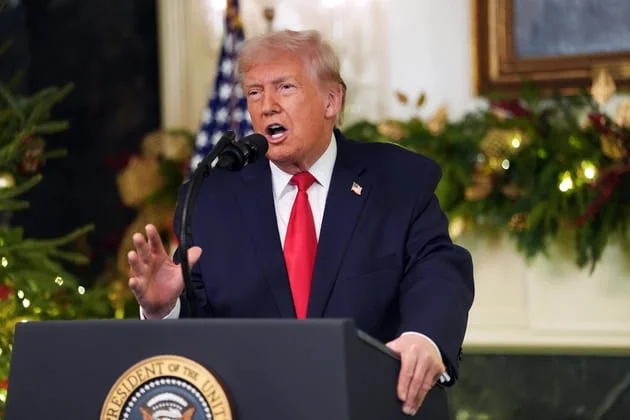
President Donald Trump signed an order on Thursday directing the government to loosen federal marijuana regulations. This move instructs the Attorney General to reclassify the drug as a less dangerous substance. Consequently, this could end decades of strict federal policies regarding the plant.
The order focuses on moving marijuana to the Schedule III category. This classification includes substances like common painkillers, ketamine, and testosterone. Currently, federal law lists marijuana as a Schedule I drug, placing it alongside heroin and ecstasy.
A Shift Toward Medical Research
This decision represents one of the most significant changes to federal drug policy in years. If the reclassification is finalized, it could reshape the cannabis industry. Specifically, it would unlock billions of dollars in research funding and ease restrictions for banks and investors.
The primary goal of the order is to expand medical research. Senior officials stated that the administration wants to understand the potential for treatment better. Furthermore, the Centers for Medicare and Medicaid Services plans to allow some beneficiaries to use hemp-derived CBD products as early as April 2026.
Political Divide in Washington
The move has sparked a sharp divide in Congress. Senate Democratic leader Chuck Schumer welcomed the shift. However, dozens of Republican lawmakers have publicly criticized the decision.
In a letter to the President, these Republicans argued that reclassification sends the wrong message to children. They also claimed that easing regulations could empower drug cartels and decrease road safety.
Trump’s Stance on Medical Use
Despite his reputation for “law-and-order” policies, President Trump emphasized the needs of patients. He told reporters that many people suffering from chronic pain have asked for this change.
“I don’t want it,” the President said, referencing his personal abstinence from controlled substances. “But a lot of people do want it. A lot of people need it.”
Impact on the Cannabis Market
The news initially caused cannabis stocks to surge. However, most shares ended the day lower. Investors were reportedly disappointed that the order did not include a specific mandate for cannabis banking.
Currently, federal restrictions prevent most banks from working with the industry. This forces businesses to rely on expensive loans or alternative lenders.
Experts suggest that while this order is a major step, further congressional action may be needed to provide long-term stability.
The Drug Enforcement Administration (DEA) must now review the recommendation. While marijuana would remain a controlled substance under federal law, the Schedule III status would acknowledge its medical utility and lower its potential for abuse.
READ ALSO: US-South Africa Row Deepens After Detentions












 Armenian Dram
 Ghana Cedi
 Gambian Dalasi
 Guinea Franc
 Nigerian Naira
 CFA Franc BEAC