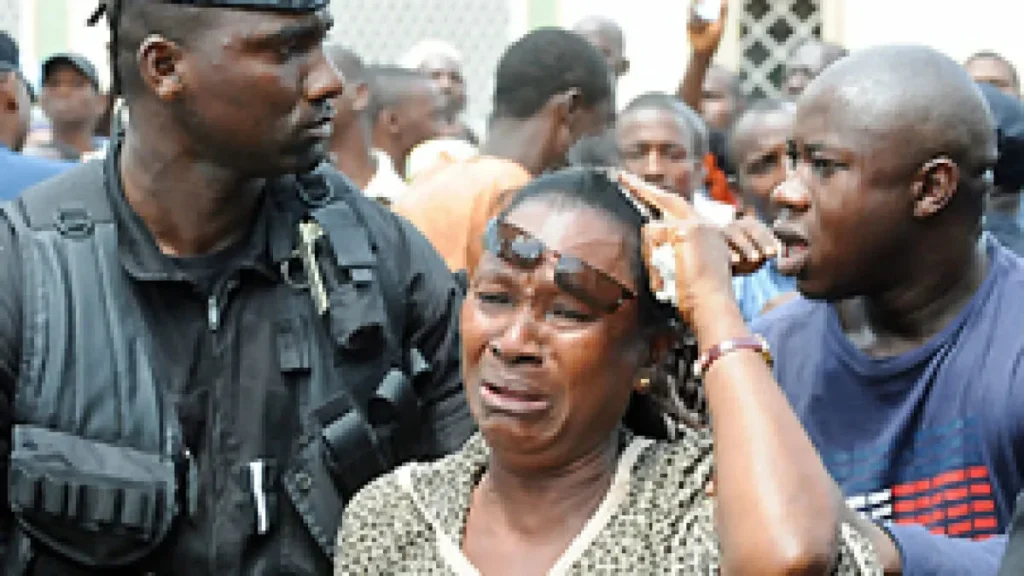
Sixteen years after a horrific crackdown at a national stadium, a second trial has officially begun in Guinea’s capital. This new phase of legal proceedings involves seven defendants accused of participating in the September 28, 2009, massacre that left over 150 people dead.
The Defendants and Charges
The seven individuals currently under fire face a harrowing list of accusations. According to court filings, the charges include:
- Abuse of Authority
- Murder
- Rape and Torture
Notably, only four of the defendants are present in court. The remaining three are currently fugitives and will be tried in absentia.
Context: The Legacy of the First Trial
This trial follows a landmark legal process that concluded in 2024. In that first trial, former Guinean leader Moussa Dadis Camara was sentenced to 20 years in prison for crimes against humanity.
However, the pursuit of justice has seen significant complications:
- Pardons: Earlier this year, the head of Guinea’s current military junta pardoned Camara, sparking debate over accountability.
- Prior Convictions: Seven other defendants from the first trial remain convicted, with several serving life sentences.
Remembering the 2009 Tragedy
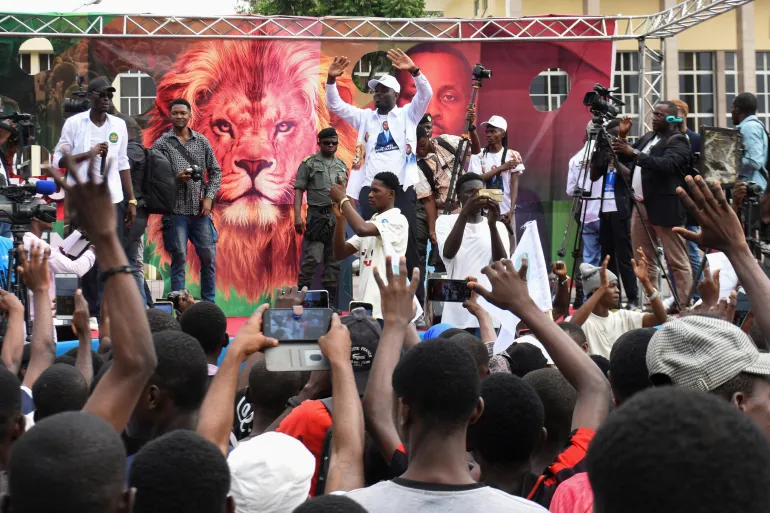
The events of September 28, 2009, remain a dark stain on Guinea’s history. During a massive opposition rally, security forces launched a brutal assault on civilians.
The Human Toll:
- 156 Deaths: Victims were shot, stabbed, or killed with bayonets.
- Massive Injuries: Hundreds of protesters suffered life-altering wounds.
- Systemic Violence: More than 100 women were subjected to rape and torture, with many forced into sexual slavery.
The reopening of these proceedings signals a continued effort by the Guinean justice system to address the atrocities committed during that period, despite the political shifts within the country.
ALSO READ: Arab Female Directors Reshape Cinema with New Narratives







 Armenian Dram
 Ghana Cedi
 Gambian Dalasi
 Guinea Franc
 Nigerian Naira
 CFA Franc BEAC