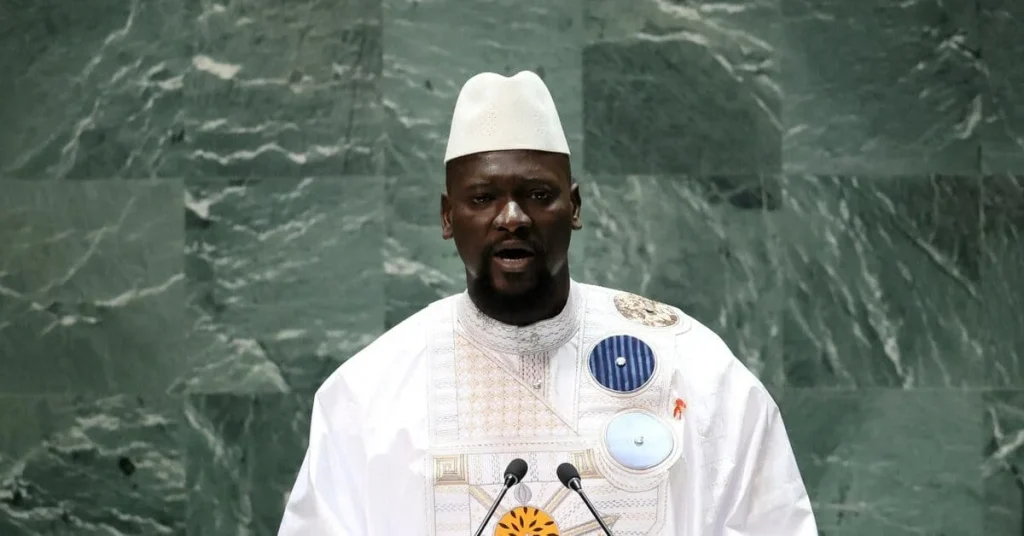
Military leader Mamady Doumbouya is the overwhelming favorite to win Guinea’s presidential election this Sunday, December 28, 2025.
His anticipated victory follows a significant political transition. Furthermore, the launch of a major industrial project has recently bolstered his standing among voters.
Doumbouya led the 2021 coup against President Alpha Condé. Although he initially pledged to avoid civilian politics, he eventually changed course.
In September 2025, a new constitution removed eligibility barriers. Additionally, the new law extended the presidential term to seven years, paving the way for his candidacy.
A Fragmented Political Landscape
The election features eight challengers. However, analysts believe the field lacks a strong contender to unseat the incumbent. Several factors have weakened the opposition:
- Exiled Leaders: Key figures like former President Alpha Condé and Cellou Dalein Diallo remain abroad.
- Technical Disqualifications: Many potential candidates were barred for failing to meet strict documentation rules.
- Limited Debate: Critics claim that restrictions on protests and media have created an uneven playing field.
“There is currently no opponent who can realistically challenge him,” noted analyst Bella Bah. “However, the real test will be how the President chooses to engage with civilian leaders after the vote.”
The Economic Edge: The Simandou Milestone
A major driver of Doumbouya’s popularity is the recent launch of the Simandou iron ore mega-mine. This deposit is the richest untapped iron ore resource in the world. Consequently, it is central to the “Simandou 2040” national development vision.
Strategic Economic Shifts include:
- Peak Production: The project aims to produce 120 million metric tons of iron ore annually.
- Resource Nationalism: The government has taken a firmer stance on mining assets. This ensures the state retains a significant share of the proceeds.
- Public Perception: Many residents in Conakry have praised the administration for maintaining stability while moving the mining sector forward.
Regional Observation and Logistics
Despite Guinea’s suspension from the regional bloc ECOWAS, the organization has deployed observers for this weekend’s vote. This signals a cautious “rapprochement” between the military government and its neighbors.
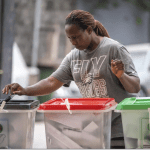
Approximately 6.7 million people are registered to vote across 24,000 polling stations. Official results should be announced within 48 hours of the polls closing.
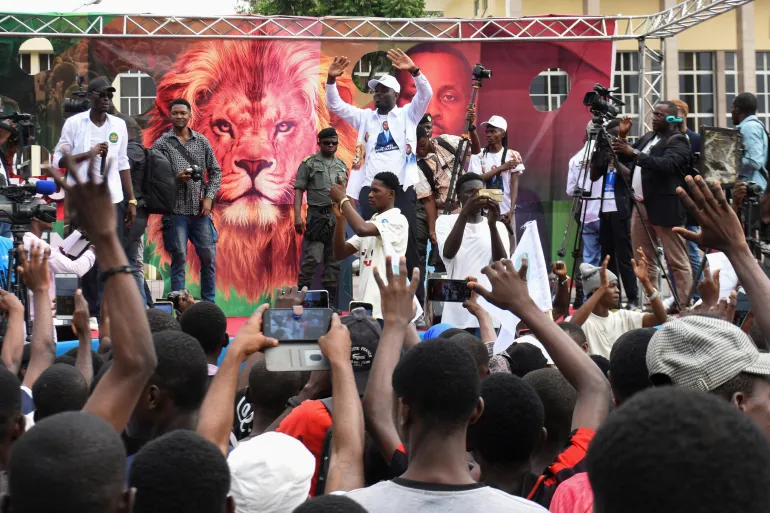
While international observers remain skeptical of the election’s fairness, the campaign has remarkably remained peaceful compared to previous years.
MORE NEWS: Tunisian Labor Leader Taboubi Resigns Amid Political Crisis


 Armenian Dram
 Ghana Cedi
 Gambian Dalasi
 Guinea Franc
 Nigerian Naira
 CFA Franc BEAC