On Wednesday, January 14, 2026, the diplomatic rift between the Kremlin and the White House widened significantly.
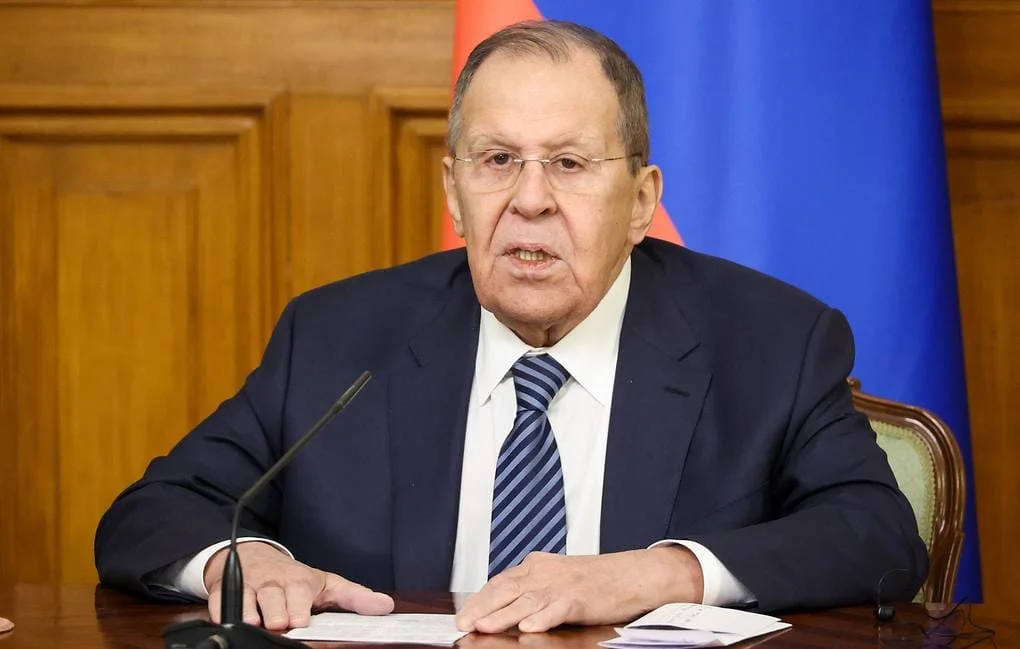
Russian Foreign Minister Sergey Lavrov launched a scathing critique of the recent United States military intervention in Venezuela.
During a joint press conference in Moscow, Lavrov stood alongside Namibian Foreign Minister Selma Ashipala-Musavyi. He characterized the U.S. operation as a “gross violation of international law.” Furthermore, he asserted that Russia’s condemnation is shared by the overwhelming majority of nations in the Global South and East.
The Moscow Assessment: “Unreliable” Diplomacy
Lavrov’s rhetoric marks a significant escalation in Russia’s formal stance. Specifically, he accused Washington of abandoning the very international principles it once promoted. Consequently, he labeled the United States an “unreliable” partner on the global stage.
“Only Western Europeans and other Washington allies are timidly trying to avoid making principled assessments,” Lavrov remarked.
His comments suggest a deep divide between Western powers and the rest of the international community regarding the legality of the U.S. mission.
Background: The January 3rd Incursion
The current crisis began with a dramatic U.S. military operation on January 3, 2026. In an unprecedented move, U.S. forces conducted a targeted strike in Caracas. This operation resulted in the seizure of Venezuelan leader Nicolás Maduro and his wife, Cilia Flores.
Key Details of the Military Operation:
- The Strike: The intervention targeted major military installations. These strikes caused widespread power outages across parts of the Venezuelan capital.
- The Legal Battle: Following their capture, Maduro and Flores were transported to New York City.
- The Charges: Both individuals appeared in a U.S. court. Currently, they have pleaded not guilty to charges of narco-terrorism and other criminal counts.
Analysis: Framing an “Act of Armed Aggression”
Russia previously labeled the operation an “act of armed aggression.” This signals Moscow’s intent to support the Maduro administration’s legitimacy despite the U.S. legal proceedings.
By standing with Namibia, Moscow is attempting to frame the U.S. intervention as a return to “interventionist” policies. Russia argues that these actions bypass the United Nations. Meanwhile, the conflict is entering a dangerous phase of international litigation and proxy diplomacy.
The U.S. maintains that its actions were necessary for regional security. However, Russia and its allies argue that sovereign rights are being discarded in favor of unilateral force.



 Armenian Dram
 Ghana Cedi
 Gambian Dalasi
 Guinea Franc
 Nigerian Naira
 CFA Franc BEAC